
In an era dominated by chronic digital overstimulation and four-shot espresso reliance, millions suffer from a fractured dopamine baseline. The cycle is painfully predictable: you wake up groggy, scroll notifications for a micro-dopamine hit, consume 200mg of caffeine to force alertness, and face a brutal cognitive crash by 2:00 PM. The problem is not lack of willpower; it is receptor exhaustion.
Executive Summary & Research Finding
How cold showers increase baseline dopamine by 250% without caffeine crashes: clinical neurobiology, water temperatures, immersion timing, and habit tracking.
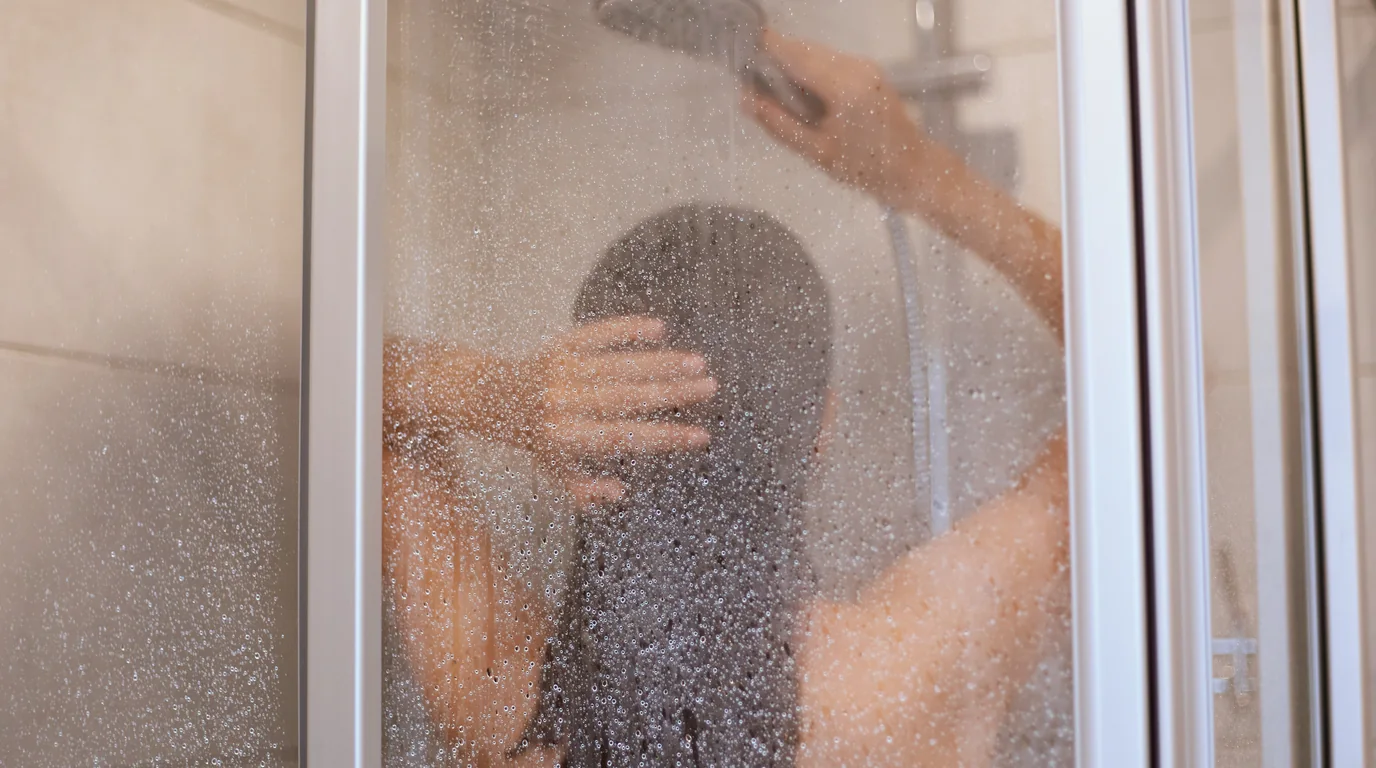
Groundbreaking research in neurobiology confirms that deliberate cold exposure is one of the most potent non-pharmacological interventions to restore baseline motivation and sustained cognitive drive. Instead of causing a sharp spike followed by an immediate crash below baseline, cold water initiates a steady, prolonged hormonal elevation.
Track Your Cold Exposure Progression
Logging temperature, duration, and heart rate recovery is essential for neurological adaptation. Track your daily cold plunge and cold shower sessions with Icewise: Cold Shower Tracker on Google Play.
The Clinical Evidence: Noradrenaline +530% and Dopamine +250%
The foundational benchmark for cold water neurobiology remains the landmark clinical study conducted by Dr. P. Srámek and colleagues at Charles University in Prague (published in the European Journal of Applied Physiology). Healthy male subjects were immersed in cold water at 14°C (57°F) for one hour.
The physiological results surprised neuroendocrinologists: plasma noradrenaline concentrations surged by a staggering 530%, and plasma dopamine concentrations increased by 250%. Most critically, dopamine did not plummet when subjects left the water. It remained elevated for more than 2.5 hours, tapering off gradually.
| Stimulant / Trigger | Peak Dopamine Multiplier | Elevation Duration | Post-Peak Crash Level | Addiction / Tolerance Risk |
|---|---|---|---|---|
| Cold Shower / Ice Bath (10-15°C) | 2.5x (+250%) | 3 to 5 hours sustained | Returns smoothly to baseline | Zero tolerance (reverses apathy) |
| Espresso / Energy Drink (Caffeine) | 1.5x - 2.0x | 60 - 90 minutes | Severe dip below baseline (Crash) | High (adenosine receptor upregulation) |
| Social Media Endless Scroll | 1.3x - 1.8x (erratic spikes) | Seconds to minutes | Immediate baseline depression | Extremely high (behavioral loop) |
| Refined Sugar & Junk Food | 2.0x (rapid spike) | 30 - 45 minutes | Rebound hypoglycemia & brain fog | High (dopamine receptor downregulation) |
The 3-Phase Morning Cold Shower Protocol
You do not need an industrial frozen tub in your backyard to trigger these neurochemical adaptations. A residential shower running full-cold (typically 12°C to 16°C in temperate zones) delivers sufficient thermal shock to activate cold shock proteins and flood the prefrontal cortex with noradrenaline.
- Phase 1: The Initial Gasp & Vagal Brake (0 to 30 Seconds): Turn the water completely cold. As the water hits your neck and chest, your sympathetic nervous system initiates an involuntary hyperventilation reflex. Do not panic. Force long, slow exhalations through pursed lips (4 seconds in through nose, 6 seconds out through mouth) to activate the vagus nerve brake.
- Phase 2: Thermal Equilibrium & Calm Focus (30 to 90 Seconds): Blood shifts from peripheral capillaries to your core organs via cutaneous vasoconstriction. The initial shock dissipates, replaced by profound mental stillness. Keep your head and upper thoracic spine under the stream.
- Phase 3: The Cold Finish (90 to 180 Seconds): Step out without turning back to hot water. Do not immediately wrap yourself in a heated towel. Allow your body to re-warm via non-shivering thermogenesis to maximize brown adipose tissue activation.
Why Consistency Trumps Extreme Cold
A common mistake among beginners is trying to endure 0°C ice baths on Day 1. Neurochemical adaptation does not require hypothermia. Research by Dr. Susanna Søberg indicates that a cumulative minimum of 11 minutes of cold exposure per week, divided across 2 to 4 sessions, is optimal for metabolic and neurotransmitter resilience.
Consistency builds top-down prefrontal cortex control over the limbic panic reflex. Every time your brain shouts "Get out of the water!" and you choose to breathe calmly and stay for another 60 seconds, you strengthen the neurological circuitry of self-regulation and impulse control.
Built For Dedicated Trackers
With Icewise, you get precision acoustic timers, streak milestones, water temperature logging, and session notes designed specifically for cold showers and ice baths. Completely free and optimized for Android.
Frequently Asked Questions
Can cold showers replace morning coffee completely?
For many practitioners, yes. Cold showers stimulate endogenous noradrenaline and cortisol through thermal shock rather than adenosine receptor antagonism. Unlike caffeine, which delays sleep pressure only to rebound later, the alertness from cold water does not create an afternoon slump.
Should I do cold exposure before or after breakfast?
Fast or pre-breakfast cold exposure is optimal. Digestion diverts blood flow to the splanchnic circulation, whereas cold water demands peripheral vasoconstriction. Cold exposure in a fasted state also accelerates lipolysis and brown fat uncoupling.
What water temperature is required to trigger the dopamine surge?
Any temperature that feels uncomfortably cold but safe to endure for 1 to 3 minutes will work. For most individuals, water below 15°C (59°F) is sufficient to initiate the full catecholamine cascade.