The biggest obstacle to building a cold shower habit is not the physical water temperature—it is the catastrophic panic narrative manufactured by the brain before your hand touches the knob. Human evolution programmed us to seek warmth, soft beds, and caloric safety. Cold water screams danger.
Executive Summary & Research Finding
Beginner 30-day cold shower challenge: progressive weekly roadmap, vagus nerve stimulation, overcoming the panic gasp reflex, and building unbreakable stress resilience.
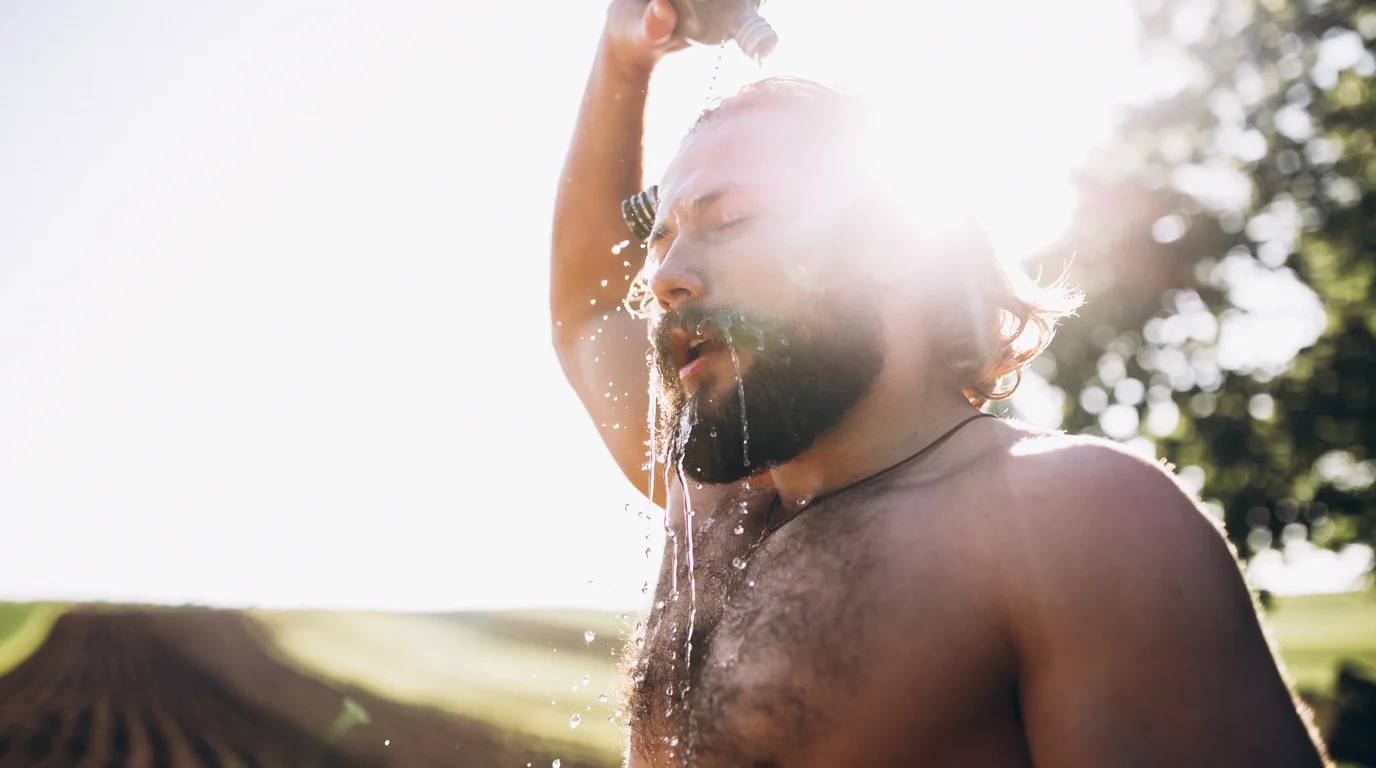
When you voluntarily override that resistance every morning, you are not merely taking a shower. You are training the vagus nerve—the primary conduit of the parasympathetic nervous system—to swiftly down-regulate sympathetic panic. Here is the structured 4-week roadmap to build lifelong cold tolerance.
Lock In Your 30-Day Streak
Habit science proves that visual streaks prevent backsliding. Track every day of your 30-day cold shower challenge with Icewise: Cold Shower Tracker on Google Play.
The 4-Week Progressive Roadmap
Do not attempt a 5-minute freezing shower on Day 1. Shocking your unadapted cardiovascular system leads to high failure rates and dread. Progress incrementally over 30 days.
| Challenge Week | Target Duration | Protocol Strategy | Vagal & Psychological Focus |
|---|---|---|---|
| Week 1: Days 1 – 7 | 15 – 30 seconds | Full warm shower first; switch to cold for the final 15-30 seconds | Survive the gasp reflex. Keep mouth closed, exhale slowly through nose |
| Week 2: Days 8 – 14 | 45 – 60 seconds | Warm shower first; cold finish for 60 seconds. Rotate front and back | Extend thoracic exhalations (4 count in, 6 count out). Relax shoulders |
| Week 3: Days 15 – 21 | 90 – 120 seconds | Luke-warm transition for 10s, then pure cold for 2 full minutes | Thermal equilibrium: notice when the water stops feeling cold and starts feeling neutral |
| Week 4: Days 22 – 30 | 180 seconds (3 mins) | Full Cold Start: Step in immediately without any warm water pre-heating | Prefrontal mastery: Complete elimination of hesitation before stepping in |
The Physiology of Overcoming the Gasp Reflex
The second cold water hits the thermosensors of your skin, cutaneous cold receptors fire signals via A-delta sensory fibers directly into the sympathetic trunk. This triggers an involuntary deep inhalation (the cold shock gasp reflex) followed by tachycardia (racing heart).
Most beginners make the mistake of hyperventilating in sync with the shock. To master cold water, you must engage the respiratory sinus arrhythmia mechanism:
- Inhale through your nose into your belly for a count of 3 to 4 seconds.
- Pause at the top for 1 second.
- Release a long, smooth, audible sigh through pursed lips for 6 to 8 seconds.
- Repeat 3 times. By breath three, acetylcholine is released from the vagus nerve terminal, immediately lowering heart rate and suppressing cortisol release.
How Cold Resilience Transfers to Daily Stress
The neurological benefits of cold showers extend far beyond the bathroom. In neurobiology, stress is non-specific: whether you are receiving an angry email from your boss, experiencing market volatility, or standing under 12°C water, the sympathetic nervous system activates identical hormonal pathways.
By training your prefrontal cortex to maintain composure during acute cold shock, you expand your autonomic window of tolerance. When unexpected workplace crises occur, your nervous system defaults to the calm, controlled breathing you practiced that morning.
Begin Your 30-Day Journey Today
Download Icewise: Cold Shower Tracker to start Day 1. Log your temperature, save notes on how you felt, and earn milestone badges as your streak grows.
Frequently Asked Questions
What should I do if I miss a day during the 30-day challenge?
Do not restart from Day 1. The all-or-nothing mindset causes more habit abandonment than anything else. Acknowledge the missed day, log it in Icewise, and resume the very next morning. Consistency over time matters far more than perfection.
Can cold showers make you sick or catch a cold?
No. Colds and influenza are caused by viral pathogens (rhinoviruses, coronaviruses), not cold temperature. In fact, clinical trials from the Netherlands show that individuals taking daily cold showers took 29% fewer sick days due to elevated circulating leukocyte and NK cell counts.
Is it better to do the challenge in the morning or evening?
Morning is significantly better. Because cold showers elevate core body temperature (through the rebound thermogenic response) and flood the brain with dopamine and noradrenaline, an evening cold shower can interfere with sleep onset and melatonin secretion.