When travelers consider the threat of covert surveillance, their minds almost invariably turn to hotel suites, vacation rentals, or dressing rooms. However, private security auditors have documented an alarming surge in covert surveillance across an equally vulnerable, high-intimacy environment: commercial rental vehicles and peer-to-peer car-sharing fleets (such as Turo and Getaround). An automobile is an intensely private mobile sanctuary. Within the enclosed confines of a rental car, travelers make confidential corporate telephone calls, discuss personal financial affairs, change clothing after airport flights or beach outings, and engage in intimate personal moments under the assumption of complete privacy.
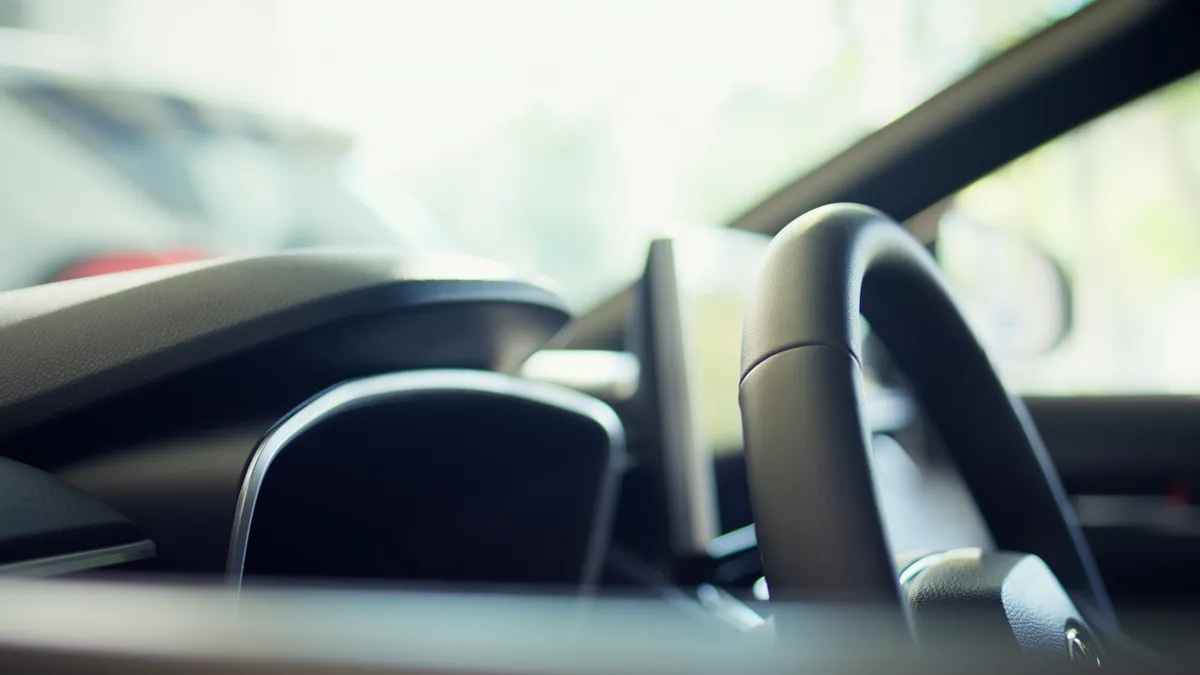
In reality, rental vehicles present an ideal architectural ecosystem for illicit surveillance. Modern passenger cars are densely wired with 12-volt direct current electrical power, populated by dozens of hollow plastic trim panels, and equipped with continuous cellular connectivity. Covert cameras can be planted not only by unscrupulous fleet operators or host vehicle owners seeking to monitor drivers unlawfully, but by previous renters, rideshare drivers, or commercial espionage operatives who install autonomous bugs to intercept corporate intelligence. By deploying a systematic automotive counter-surveillance protocol using Hidden Camera Detector App, any driver can inspect a vehicle's interior in under ten minutes.
Fleet Telematics vs. Covert Passenger Surveillance: The Legal Line
Before conducting an automotive sweep, one must understand the crucial legal distinction between legitimate commercial fleet telematics and illegal covert passenger surveillance. Major rental conglomerates (such as Hertz, Enterprise, and Avis) routinely equip vehicles with computerized telematics modules—including factory OnStar systems, exterior toll transponders, and GPS fleet tracking hardware.
Under commercial contract law and automotive regulatory frameworks, rental companies may legally monitor vehicle velocity, odometer mileage, fuel levels, airbag deployment, and geographic GPS coordinates, provided these tracking systems are disclosed in the rental terms. However, installing interior passenger-facing cameras or acoustic wiretapping microphones that record the faces, bodies, or private oral conversations of occupants without their explicit, informed consent is strictly illegal under federal wiretapping statutes (18 U.S.C. § 2511) and state video voyeurism penal codes. In peer-to-peer car-sharing platforms like Turo, platform policies explicitly prohibit all interior-facing cameras, even if disclosed by the host.
The 8 Most Common Vehicle Concealment Vectors
Automotive interiors present hundreds of potential hiding spots, but covert surveillance hardware requires specific physical conditions: an unobstructed line of sight toward the passenger seats, access to 12V automotive power (or a compact lithium battery pack), and acoustic coupling for voice recording. TSCM technicians have itemized the eight primary concealment vectors in modern vehicles:
| Concealment Fixture | Physical Mounting Location | Electrical Power Source | Target Line of Sight | Primary Detection Signature |
|---|---|---|---|---|
| OBD-II Diagnostic Port Module | Driver footwell directly beneath steering column | Continuous 12V unswitched battery rail (BATT+) | Cabin interior audio & driver pedal telemetry | Localized 250 µT magnetic flux & LTE uplink bursts |
| Digital Rearview Mirror Overlay | Mounted directly over factory rearview mirror | 12V switched ignition line tapped into headliner | Complete panoramic view of front and rear seats | Concealed front-facing pinhole lens & RF beacons |
| Overhead Dome Light & Console | Center ceiling headliner between sun visors | 12V interior dome lighting circuit | Downward wide-angle view of driver and passenger | Coaxial lens retroreflection & high magnetic spike |
| 12V Cigarette Lighter USB Adapter | Center console or lower dashboard 12V socket | Direct 12V plug-in vehicle power | Horizontal line of sight toward passenger torsos | Pinhole aperture between dual USB charging ports |
| Front Seat Headrest Seam Punctures | Rear of driver or front passenger headrest | Internal 3.7V lithium battery pack in foam | Direct view of rear seat occupants and floor | Faux stitch hole, weight imbalance, magnetic sensor |
| Air Conditioning Dashboard Louvers | Center dashboard horizontal HVAC air vents | 12V ignition circuit wiring behind dashboard | Straight-on horizontal view of driver face/hands | Macro flashlight glint between black plastic slats |
| Steering Column Plastic Cowling | Upper or lower steering column plastic shroud | Direct 12V ignition switch wiring tap | Driver facial expressions and smartphone keypad | Localized high-frequency magnetic transformer flux |
| Rearview Sun Visor Vanity Mirror | Inside passenger sun visor vanity mirror frame | Internal rechargeable battery or visor light wire | Downward angled view of passenger seat area | Optical pinhole aperture in plastic mirror border |
The 10-Minute Tactical Vehicle Sweep Protocol
Never drive off the rental lot without performing an electronic and physical security sweep. Execute this structured 10-minute counter-surveillance protocol before loading personal belongings into the vehicle:
Phase 1: The OBD-II Diagnostic Port Audit (Minutes 0 to 2)
The On-Board Diagnostics (OBD-II) port is a standardized 16-pin electrical diagnostic connector required by federal law on every passenger car manufactured since 1996. It is physically located underneath the driver's side dashboard, within 2 feet of the steering wheel. Because Pin 16 of the OBD-II connector provides unswitched, continuous 12-volt battery power (even when the engine is turned off and the key is removed), it is the premier installation point for commercial tracking bugs.
Kneel down in the driver's footwell with your smartphone flashlight. Look directly upward at the OBD-II port. The connector should be completely bare and empty. If a small black or grey plastic module is plugged into the port—often featuring blinking indicator LEDs, a SIM card slot, or a micro-microphone hole—you have discovered an aftermarket telematics bug or live listening device. Do not remove it immediately; photograph the module, note its serial number, and report it to the rental provider.
Phase 2: The Center Console & 12V Socket Sweep (Minutes 2 to 4)
Inspect all 12V auxiliary power outlets (cigarette lighter sockets) and USB charging ports in the center console and dashboard. Covert operators frequently plug dual-USB charger spy cameras directly into these sockets. Inspect the front plastic faceplate of every adapter: look for an unnatural 1.2mm pinhole aperture drilled between or adjacent to the USB sockets. Pull the adapter out and examine the casing for MicroSD card slots.
Phase 3: Overhead Headliner & Rearview Mirror Inspection (Minutes 4 to 7)
Sit in the driver's seat and examine the rearview mirror assembly. A standard factory mirror is a solid, molded unit anchored to the windshield. Covert rearview mirror cameras are typically clip-on units that clamp over the factory mirror, featuring a reflective two-way mirrored glass surface that conceals an integrated LCD display and camera lens looking directly into the passenger cabin. Look for aftermarket wire harnesses routed into the overhead headliner fabric.
Next, inspect the overhead console housing the dome lights, sunroof switches, and sunglasses storage compartment. Open the sunglasses holder and inspect the interior cavity with a high-beam flashlight. Pass your smartphone running the magnetic scanner in Hidden Camera Detector App across the dome light housing. If the magnetic flux meter spikes significantly above baseline (exceeding 200 µT) on a non-energized dome light, an internal step-down transformer is operating above the headliner.
Phase 4: Dashboard Air Vents & Seat Headrests (Minutes 7 to 10)
Shine a focused flashlight beam into the horizontal slats of the dashboard air conditioning vents. Look for the unmistakable circular glass reflection of a pinhole camera lens mounted behind the louvers. Finally, inspect the driver and passenger seat headrests. Examine the stitching along the headrest perimeter for torn seams, micro-perforations in leather upholstery, or loose fabric where a miniature camera could be buried inside the foam cushion.
Electronic Sweeps: Detecting Automotive Bluetooth & Wi-Fi Beacons
Modern automotive spy cameras and tracking bugs utilize wireless communication protocols to offload recorded data or beacon their coordinates to nearby receivers. Launch Hidden Camera Detector App while seated inside the vehicle with the vehicle ignition turned off:
- Bluetooth Low Energy (BLE) Radar Audit: Scan for unauthenticated BLE beacons advertising within 10 feet. Covert Bluetooth bugs (including unauthorized Apple AirTags, Tile trackers, or custom voice bugs) broadcast periodic advertising packets every 100 to 500 milliseconds. If the radar detects an unknown tracker with an RSSI signal strength exceeding -50 dBm inside the cabin, search the glove box, under seats, and the spare tire well.
- Ad-Hoc Wi-Fi Hotspot Detection: Check your smartphone Wi-Fi network list. Autonomous car spy cameras frequently broadcast an open or password-protected ad-hoc Wi-Fi network formatted as 'CAR-CAM-XXXX' or 'WIFI-RECORDER' to allow an operator parked nearby to download video files without physical access.
- Near-Field RF Burst Sweeps: Pass the RF scanner within 6 inches of the dashboard and steering column. When a cellular bug transmits a telematics packet, it emits a distinctive 1800MHz/1900MHz RF burst detectable by near-field broadband sensors.
Legal Recourse: What to Do If You Find a Camera in a Rental Car
Discovering an active surveillance camera or listening bug inside a rental car is a severe criminal breach. Follow this strict five-step legal protocol:
- Do Not Remove the Device: Leave the camera or bug physically untouched to preserve the installer's fingerprint ridges and touch DNA.
- Record Continuous 4K Video Evidence: Record a comprehensive video walk-around using your smartphone. State your name, the date, time, and vehicle license plate number aloud. Record the camera's location relative to the driver's seat and passenger cabin.
- Photograph the Vehicle Rental Agreement: Capture clear photos of your rental contract showing the exact vehicle identification number (VIN) and rental pickup timestamp.
- Drive Directly to a Local Police Station: Relocate the vehicle immediately to the nearest municipal police station or highway patrol headquarters. Report an active felony video voyeurism crime scene to the duty watch commander.
- Demand a Formal Criminal Incident Report: Ensure responding detectives document the device, seize it into official police custody, and issue you a formal incident report number before you contact the rental company.
Automotive In-Cabin Cyber-Physical Telematics & CAN Bus Interception
Modern passenger vehicles are sophisticated distributed computer networks on wheels. An average automobile contains between 50 and 100 Electronic Control Units (ECUs) communicating across Controller Area Network (CAN) bus architectures. When an unauthorized surveillance device is installed in a vehicle, it frequently connects to the vehicle's electrical infrastructure via the standardized On-Board Diagnostics (OBD-II) port.
The OBD-II port provides direct physical access to CAN High (Pin 6) and CAN Low (Pin 14) communication lines, as well as unswitched +12V battery power (Pin 16). Advanced automotive bugs exploit this interface to harvest vehicle telemetry—including vehicle speed, throttle position, steering angle, seatbelt latch status, and GPS coordinates—while streaming synchronized in-cabin audio and video over cellular LTE Cat-M1 networks. Because the device draws continuous power from Pin 16, it operates 24 hours a day, even when the vehicle is parked with the ignition turned off.
Exhaustive Forensic Teardown of 6 Automotive Surveillance Fixtures
Forensic automotive security examiners have analyzed dozens of covert surveillance devices recovered from rental car fleets and rideshare vehicles. The table below details empirical teardown specifications for six primary automotive surveillance units:
| Vehicle Covert Unit | Internal Hardware Architecture | Power Tap Point & Draw | Target Monitoring Zone | Physical Vulnerability & Detection |
|---|---|---|---|---|
| OBD-II Port Surveillance Pass-Through | Quectel LTE modem + MEMS microphone + GPS | Continuous 12V BATT+ rail (120mA draw) | Audio eavesdropping & location tracking | Module protruding from lower dash OBD-II connector |
| Clip-On Rearview Mirror Dashcam | Allwinner V3 SoC + 1080p cabin camera + 2-way glass | 12V switched ACC ignition line in headliner | Complete passenger cabin video & audio | Rubber strap mounts behind factory mirror; dual lenses |
| Overhead Dome Light Console Module | Concealed pinhole lens + 940nm night-vision LEDs | 12V interior dome lighting circuit | Downward view of driver and front passenger | Pinhole in plastic dome bezel; magnetic flux spike |
| 12V Cigarette Lighter Dual-USB Bug | Micro-camera PCB + MicroSD slot in 12V plug | Direct 12V auxiliary power socket | Horizontal view of front passenger torsos | Aperture between USB ports; warm casing (38°C) |
| Seat Headrest Embedded Spy Unit | Lithium battery + 1.2mm lens in foam cushion | Internal 3.7V 1200mAh battery pack | Direct view of rear seat occupants | Stitching irregularities; weight imbalance in headrest |
| Magnetic Undercarriage GPS Tracker | Neodymium magnet + 6000mAh battery + GSM | Autonomous battery (30-60 day standby) | External vehicle geographic coordinates | Massive magnetic reading (5,000+ µT) on metal chassis |
The Complete 35-Point Rental Vehicle Counter-Surveillance Checklist
Execute this comprehensive 35-point vehicle inspection protocol before driving any rental or car-sharing vehicle off the lot:
- Inspect the OBD-II diagnostic port located beneath the driver's steering column.
- Verify that the 16-pin OBD-II port is completely empty with no aftermarket adapters plugged in.
- Check for aftermarket wire splices or zip-tied modules hanging beneath the driver's footwell.
- Inspect the center console 12V cigarette lighter auxiliary power outlets.
- Examine all USB charging adapters plugged into 12V sockets for pinholes between USB ports.
- Audit factory USB data ports on the dashboard for secondary dongles or micro-cameras.
- Examine the rearview mirror assembly: verify it is a factory molded unit and not a clip-on overlay.
- Check for wires routed from the rearview mirror into the overhead headliner fabric.
- Inspect the overhead dome light console, sunroof switch panel, and sunglasses holder.
- Open the sunglasses compartment and inspect the interior cavity with a high-beam flashlight.
- Shine a focused light beam into the center and side dashboard air conditioning vents.
- Check the plastic shroud covering the steering column for drilled pinhole apertures.
- Examine driver and front passenger sun visors, inspecting vanity mirror frames.
- Audit the stitching and upholstery seams of front and rear seat headrests.
- Physically feel headrests for hard interior battery packs embedded in the foam.
- Inspect map pockets on the back of front seats for dropped recording bugs or tracker tags.
- Check beneath driver and passenger seats for magnetic tracking boxes or battery packs.
- Examine floor mat perimeters and carpet edges for hidden wiring runs.
- Inspect rear-seat coat hooks mounted above side windows for miniature pinhole cameras.
- Check the center high-mount third brake light housing inside the rear windshield.
- Inspect child safety seat anchor points (LATCH / ISOFIX) for magnetic tracking bugs.
- Open the trunk and check the spare tire well, tool kit, and battery compartment.
- Inspect the interior trunk release handle and trunk lid trim panels.
- Launch Hidden Camera Detector App and execute a Bluetooth Low Energy (BLE) radar sweep.
- Scan for unauthorized Apple AirTags, Tile beacons, or audio eavesdropping bugs in the cabin.
- Check device Wi-Fi settings for rogue ad-hoc networks broadcasting 'CAR-CAM' SSIDs.
- Execute a magnetic flux sweep across the dashboard and overhead console with the ignition off.
- Verify that magnetic readings remain at baseline (under 60 µT) across all plastic trim.
- Perform an optical retroreflection sweep of the cabin in a darkened parking garage.
- Check the vehicle exterior: sweep the wheel wells and undercarriage for magnetic GPS trackers.
- Inspect front and rear license plate frames for integrated backup/surveillance cameras.
- Photograph any suspicious module in place before touching or unplugging it.
- Record continuous 4K video evidence documenting the device's location in the vehicle.
- Review your rental contract terms regarding fleet telematics and camera disclosures.
- If an unauthorized passenger camera is discovered, drive directly to a police station to file a report.
State & Federal Wiretapping Statutes in Automotive Environments
An automobile cabin is legally recognized as a private space where occupants enjoy a reasonable expectation of privacy against non-consensual electronic surveillance. Under federal law (18 U.S.C. § 2511), intentionally recording private in-vehicle oral communications through an electronic eavesdropping device constitutes a federal felony punishable by up to five years imprisonment.
In two-party consent states such as California (Cal. Penal Code § 632), Florida (Fla. Stat. § 934.03), and Illinois (720 ILCS 5/14-2), recording any passenger conversation without the explicit, informed consent of all occupants carries severe statutory damages exceeding $5,000 per violation, alongside felony criminal charges. While rideshare drivers may install forward-facing dashcams for traffic accident documentation, installing interior passenger-monitoring cameras requires prominent exterior disclosure stickers and explicit consent; recording in confidential rental vehicles is strictly illegal.
Frequently Asked Questions: Rental Car Hidden Cameras
Can a rental car company have cameras inside the car pointing at passengers?
No. Major rental companies (Hertz, Enterprise, Avis) do not install interior passenger-facing cameras in their standard rental fleets. Installing interior cameras that record vehicle occupants without consent violates federal wiretapping and state voyeurism criminal statutes.
Does an OBD-II GPS tracker have a microphone inside it?
Many commercial fleet management OBD-II trackers track only GPS coordinates and vehicle speed. However, low-cost consumer tracking bugs purchased online frequently incorporate hidden electret microphones that allow an operator to listen to live in-cabin conversations via cellular audio.
Can I unplug a suspicious device from the OBD-II port?
Yes, but document it thoroughly first. Take high-resolution photos and video of the device plugged into the port, noting any flashing LEDs and serial numbers, before carefully pulling it straight out. Report the device to both local police and the rental agency immediately.
Do Apple AirTags beep if they are hidden in a rental car?
Yes. An AirTag separated from its owner for more than 8 to 24 hours will emit an audible chirping sound when moved. Furthermore, your iPhone will display an automated safety alert: 'AirTag Found Moving With You'. You can locate its precise physical position using the Bluetooth scanner in Hidden Camera Detector App.
Are host-installed cameras allowed in Turo rentals?
Under Turo's official global vehicle policies, interior cameras that capture the vehicle cabin are strictly prohibited under all circumstances, even if disclosed. Hosts may only install exterior dashcams pointing outward toward the road.
How do hidden cameras in cars get electrical power?
Automotive covert cameras draw power either from 12V continuous battery wiring (tapped into the OBD-II port, dome light, or fuse box), 12V switched ignition circuits (the cigarette lighter), or internal rechargeable lithium-polymer battery packs.
Can an automotive spy camera record in the dark?
Yes. Spy cameras engineered for vehicle deployment incorporate 940nm near-infrared night-vision LEDs that illuminate the cabin in total darkness without emitting any visible red glow. You can detect these illuminators using the infrared filter in Hidden Camera Detector App.
Automotive Power Architecture: 12V Battery Rails & Parasitic Drain
Understanding how illicit surveillance devices draw power from automotive electrical systems provides a decisive advantage in locating them. Modern passenger vehicles utilize a complex 12-volt direct current (DC) electrical network governed by the vehicle's body control module (BCM) and power distribution fuse boxes.
Automotive electrical circuits are categorized into two primary power rails:
- Continuous Battery Power (BATT+ / Terminal 30): Electrically energized 24 hours a day directly from the lead-acid or AGM 12V starter battery, completely independent of the ignition key state. Pin 16 of the OBD-II diagnostic port, overhead dome lights, and the hazard flasher circuit are wired to Terminal 30.
- Switched Ignition Power (ACC / IGN / Terminal 15): Energized only when the vehicle's ignition is turned to the 'Accessory' or 'Run' position. The 12V cigarette lighter auxiliary socket and dashboard USB ports are typically wired to Terminal 15.
A covert camera operator who wants to monitor occupants only while the vehicle is being driven will tap into Terminal 15. However, an operator conducting continuous corporate surveillance or stalking will tap into Terminal 30. Because covert cellular cameras draw continuous electrical current (typically 150mA to 300mA during active LTE transmission), they induce measurable parasitic battery drain. If a rental vehicle's battery appears unusually sluggish when starting, or if a magnetometer sweep reveals a localized 200 µT magnetic spike near the OBD-II port or dome light with the engine off, an unauthorized parasitic surveillance load is draining the battery.
State-by-State In-Vehicle Surveillance Legal Compendium
Because rental cars and rideshares operate across state borders, travelers must understand how state wiretapping and voyeurism laws apply inside passenger vehicles. The table below details statutory citations and criminal penalties across key jurisdictions:
| State Jurisdiction | In-Vehicle Wiretap & Voyeurism Statute | Classification of Offense | Statutory Penalties | Passenger Consent Requirement |
|---|---|---|---|---|
| California | Cal. Penal Code § 632 / § 647(j) | Felony / Misdemeanor (Wobbler) | Up to 3 years state prison / $2,500 fine | All-Party Consent (Strictly illegal without all passenger consent) |
| Florida | Fla. Stat. § 934.03 / § 810.145 | 3rd Degree Felony | Up to 5 years state prison / $5,000 fine | All-Party Consent (Felony to record passenger audio secretly) |
| New York | N.Y. Penal Law § 250.05 / § 250.45 | Class E to Class D Felony | Up to 4 to 7 years imprisonment | One-Party Consent (Illegal if host/driver is not in conversation) |
| Texas | Tex. Penal Code § 16.02 / § 21.15 | 2nd Degree Felony / State Jail Felony | Up to 2 to 20 years state prison | One-Party Consent (Illegal eavesdropping on private occupants) |
| Illinois | 720 ILCS 5/14-2 / 5/26-4 | Class 4 to Class 3 Felony | 1 to 5 years state prison | All-Party Consent (Strict criminal liability for covert cabin recording) |
| Nevada | Nev. Rev. Stat. § 200.650 / § 200.603 | Category D Felony | 1 to 4 years imprisonment / $5,000 fine | All-Party Consent for in-person acoustic listening devices |
| Georgia | O.C.G.A. § 16-11-62 | Felony (Invasion of Privacy) | 1 to 5 years state prison | One-Party Consent (Strict prohibition against vehicle bugging) |
Digital Forensics: Chain of Custody for Vehicle Surveillance Devices
When you discover an unauthorized surveillance bug inside a rental car, the integrity of the physical evidence is critical to securing criminal convictions and holding the rental company accountable. Follow this forensic chain of custody protocol:
- Touch Nothing with Bare Skin: Do not touch the device, OBD-II pins, or mounting tape to protect touch DNA and latent friction ridge fingerprints.
- Record Comprehensive Video Documentation: Record a single continuous video with your smartphone showing the vehicle's license plate, VIN plate on the lower windshield, odometer reading, and the exact physical position of the surveillance device.
- Capture Digital RF & Bluetooth Telemetry: Open Hidden Camera Detector App and capture screen recordings showing the device's Bluetooth MAC address, signal strength, or Wi-Fi SSID.
- Drive Directly to Law Enforcement: Proceed immediately to the nearest police station or highway patrol office. Do not return the car to the rental counter before police have inspected the vehicle.
- Obtain Official Police Seizure Receipts: Ensure that responding detectives photograph the installation in situ and provide you with a written property seizure receipt and formal police report number.
Can a rental car company track my driving behavior without a camera?
Yes. Most major rental fleets utilize factory-installed telematics systems (e.g., GM OnStar, Ford Telematics) that record vehicle GPS location, speed, harsh braking, and seatbelt usage. These systems record vehicle telemetry, not in-cabin video or voice audio.
Can an OBD-II bug access my smartphone data if I connect to Bluetooth?
No. The vehicle's OBD-II port connects to the CAN bus network controlling engine, transmission, and body controllers. It does not interface directly with the factory infotainment system's Bluetooth pairing memory or smartphone contact lists.
Detailed Teardown: 4 Commercial Automotive Surveillance Devices
Automotive surveillance devices sold on consumer marketplaces fall into four primary hardware categories, each engineered for distinct tactical placement inside passenger vehicles:
- The OBD-II Plug-and-Play Bug: Disguised as a standard diagnostic adapter or insurance mileage tracker, this device plugs into the 16-pin OBD-II port under the steering column. It features an integrated 4G LTE cellular modem, GPS chipset, and high-sensitivity electret microphone. Drawing continuous power from Pin 16, it streams live in-cabin audio and vehicle speed to a remote listener.
- The 12V Cigarette Lighter Dual-USB Spy Camera: Plugs directly into the vehicle's 12V auxiliary power socket. Inside the plastic barrel sits an Ingenic video processor, a 1080p CMOS camera with a 1.2mm lens positioned between the USB ports, and a MicroSD card slot. It records continuous video of driver and passenger interactions whenever the vehicle ignition is on.
- The Clip-On Smart Rearview Mirror: Clamps directly over the vehicle's factory interior mirror, secured by rubber elastic straps. The front mirror surface is semi-reflective two-way glass concealing a 5-inch IPS display and an interior-facing pinhole camera, powered by a thin wire routed behind the overhead headliner.
- The Magnetic Undercarriage Fleet Tracker: A heavy-duty waterproof ABS enclosure containing two high-strength neodymium magnets, a 6,000mAh rechargeable lithium battery, and a cellular GPS module. Adhered to the vehicle's steel frame rails, exhaust shield, or spare tire well, it broadcasts real-time GPS coordinates for up to 60 days.
The Psychology & Tactics of Automotive Surveillance
Understanding why individuals install covert bugs in rental vehicles reveals critical defensive strategies. In corporate travel, competitive espionage operatives deploy autonomous bugs in executive rental cars booked near major industry conventions to intercept confidential merger discussions and intellectual property disclosures. In car-sharing platforms, untrustworthy vehicle owners install illegal interior cameras to spy on renters' private conduct. By executing a disciplined 10-minute sweep with Hidden Camera Detector App, travelers decisively neutralize these surveillance vectors.
Can an automotive spy camera drain my rental car battery overnight?
Yes. If a covert cellular camera is wired to unswitched battery power (Terminal 30 / OBD-II Pin 16), its continuous 200mA current draw can deplete a standard automotive starter battery within 48 to 72 hours if the vehicle is parked without driving. If a rental vehicle struggles to crank after being parked overnight, inspect the OBD-II port immediately for parasitic surveillance drains.
What should I do if I find a magnetic GPS tracker under my rental car?
Do not remove or throw away the tracker. Photograph its mounting location under the vehicle, drive directly to a local police station, and report that an unauthorized tracking device is attached to your vehicle. Police detectives can trace the SIM card and serial number to identify the stalker or operator.
The Comprehensive 12-Zone Automotive Vulnerability Matrix
Passenger vehicles contain dozens of micro-cavities where miniature electronics can be installed in minutes. The table below details the twelve primary physical zones in an automobile, their accessibility rating, power availability, and recommended inspection protocols:
| Vehicle Zone | Primary Concealment Fixture | Power Access | Inspection Difficulty | Countermeasure Protocol |
|---|---|---|---|---|
| Zone 1: Steering Column & OBD-II | 16-pin OBD diagnostic port bug | Direct unswitched 12V BATT+ | Very Low (Look beneath dash) | Visual inspection & physical unplugging |
| Zone 2: Center Dashboard Vents | HVAC plastic louver pinhole camera | 12V switched ignition harness | Low (Flashlight beam between slats) | Coaxial lens retroreflection sweep |
| Zone 3: Center Console Sockets | 12V cigarette lighter USB charger bug | Direct 12V auxiliary power socket | Very Low (In plain sight) | Inspect pinhole between USB ports |
| Zone 4: Rearview Mirror Assembly | Clip-on 2-way glass smart mirror | 12V headliner wiring splice | Low (Inspect rear mirror casing) | Check for rubber straps & extra wires |
| Zone 5: Overhead Dome Console | Concealed lens in dome light lens | 12V dome lighting circuit | Low to Moderate (Overhead angle) | Magnetic flux sweep with ignition off |
| Zone 6: Sun Visor Vanity Mirrors | Pinhole in plastic vanity frame | Internal lithium battery / visor wire | Low (Flip down visors and open cover) | Inspect plastic border with flashlight |
| Zone 7: Front Seat Headrests | Embedded lens in foam cushion | Internal 3.7V rechargeable battery | Moderate (Tactile inspection) | Examine perimeter seams and fabric weight |
| Zone 8: Seat Under-Track Rails | Magnetic tracker box on metal frame | Autonomous 6000mAh battery pack | Moderate (Look under seat with light) | Sweep Bluetooth radar & magnetic sensor |
| Zone 9: Rear Passenger Coat Hooks | Plastic coat peg spy camera | Internal button cell or Li-Po | Low (Mounted on rear B/C pillar) | Inspect for front pinholes above hook |
| Zone 10: Rear Windshield Third Brake Light | Pinhole lens looking into rear cabin | 12V brake light circuit splice | Moderate to High (Rear window angle) | Coaxial optical sweep from front seats |
| Zone 11: Trunk / Cargo Well | GPS tracker in spare tire cavity | Autonomous high-capacity battery | Low (Open trunk and spare tire lid) | Physical inspection of metal wheel well |
| Zone 12: Exterior Chassis & Wheel Wells | Neodymium magnetic fleet tracker | Autonomous waterproof battery pack | Moderate (Kneel down with flashlight) | Sweep wheel wells and frame rails with app |
The Psychological & Behavioral Profile of Automotive Eavesdroppers
Understanding the behavioral motivations behind vehicle surveillance equips drivers with heightened tactical awareness. In rental car and peer-to-peer car-sharing ecosystems, perpetrators typically fall into three psychological profiles:
- The Paranoid Fleet Owner: A car-sharing host who fears vehicle abuse, racing, or smoking inside the vehicle. Frustrated by platform damage claim processes, they install an illegal interior camera to 'catch' renters breaking rules, completely disregarding federal wiretapping and voyeurism laws.
- The Voyeuristic Stalker: A predatory previous renter or fleet maintenance contractor who targets specific vehicle models popular with tourists or couples. They install battery-operated or 12V-powered pinhole cameras in headrests or dome lights to capture intimate personal moments.
- The Corporate Espionage Operative: Professional competitive intelligence agents targeting corporate executives traveling to trade expos or shareholder meetings. They install high-gain microphone bugs to record confidential mobile phone calls and negotiations conducted in the vehicle.
Regardless of the perpetrator's motive, the violation of privacy is absolute. Utilizing Hidden Camera Detector App gives drivers the definitive upper hand, exposing illicit surveillance before a single confidential conversation is recorded.
Can I legally disable a hidden camera if I find one in a rental car?
You have an absolute legal right to protect your privacy. Drape a garment, towel, or piece of dark tape over the lens. However, do not smash or physically destroy the hardware. Photograph the installation in situ and drive directly to a local police station to report a felony wiretapping offense.
The Corporate Liability of Rental Conglomerates for Security Failures
When a customer discovers an illicit recording device inside a vehicle leased from a major commercial car rental company, significant corporate legal liability arises under common law doctrines of premises liability, bailment for hire, and implied warranty of fitness. Commercial fleet operators charge premium rates under the legal promise of delivering safe, uncompromised passenger transportation.
When fleet turnaround procedures fail to include basic electronic audits of the OBD-II diagnostic port and center console, courts hold that the rental conglomerate breached its duty of care to inspect and sanitize the vehicle between customer rentals. Multi-million dollar civil settlements have resulted from rental car privacy lawsuits where plaintiffs established that third-party bugs had remained active in vehicles across multiple successive customer rentals without detection.
Can a rideshare driver record passengers with an interior dashcam?
Under Uber and Lyft platform rules, drivers may install visible interior-facing dashcams for driver safety, but they must strictly comply with state and local recording consent laws. In two-party consent states, drivers must display clear visual notice decals on passenger windows stating that audio and video recording is active. In private rental cars, interior cameras are strictly banned.
Hotel & Airbnb Privacy Safety Score Assessment
Complete this interactive 5-point inspection checklist to evaluate your room's surveillance risk index.