
Regular skin monitoring and early detection are the single most effective ways to combat skin cancer and melanoma. According to dermatological research, over 90% of skin cancers are curable if identified and treated in their early stages. However, keeping track of dozens of moles across your body without visual documentation is nearly impossible.
Executive Summary & Research Finding
Learn how to monitor skin moles, check for early melanoma signs using the ABCDE rule, and log body photo timelines. Official guide from moletracker.org.
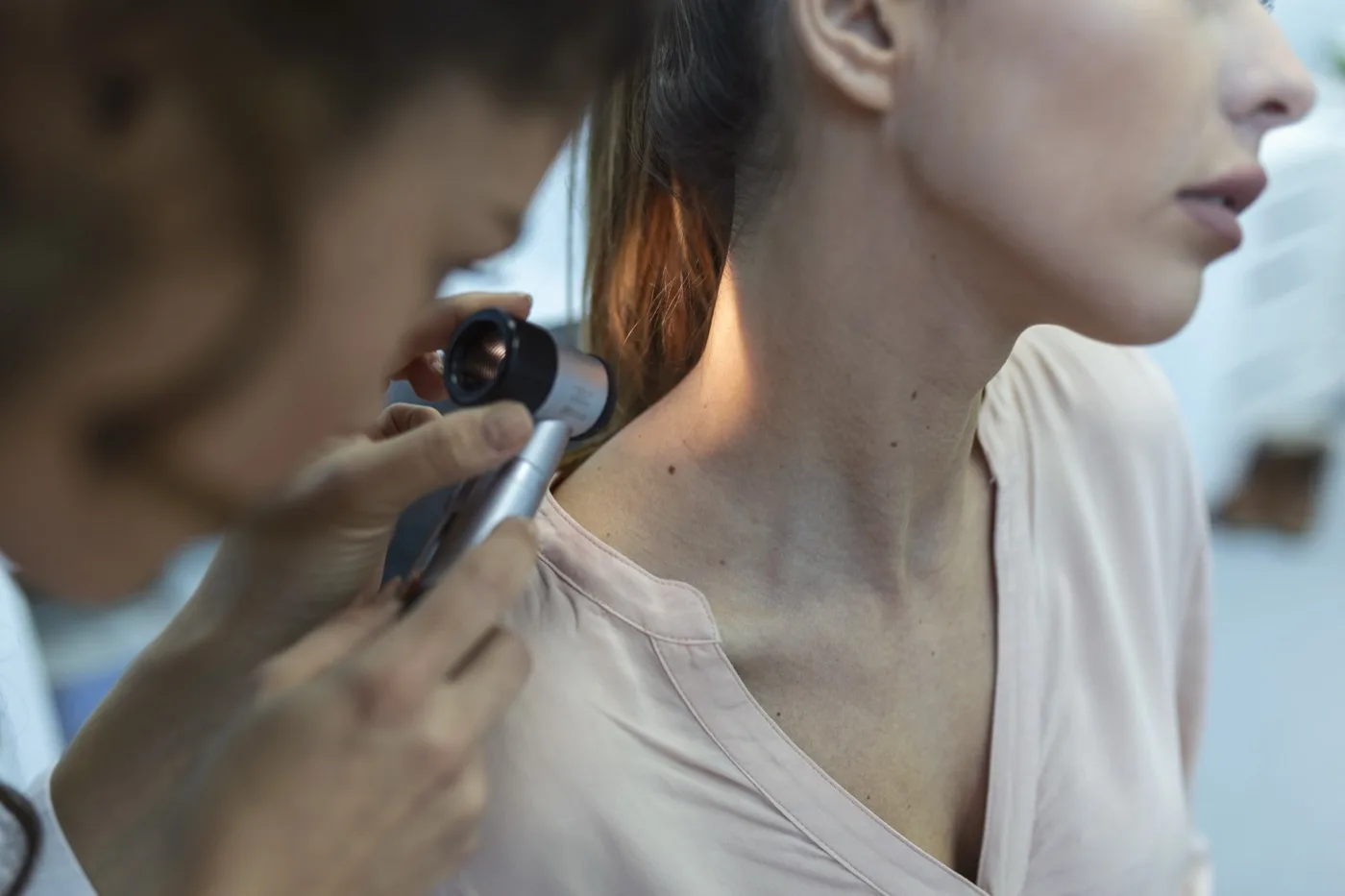
This guide breaks down the clinical ABCDE rule for evaluating skin spots, explains how to perform a comprehensive monthly self-exam, and demonstrates how digital body-mapping tools at moletracker.org empower you and your physician to track subtle skin evolution over time.
The Clinical ABCDE Rule for Mole Inspection
Dermatologists use the ABCDE acronym to help patients identify suspicious mole characteristics during routine skin checks:
- A – Asymmetry: One half of the mole or skin spot does not match the other half in shape or contour.
- B – Border: The edges are irregular, ragged, notched, scalloped, or blurred rather than smooth.
- C – Color: The color is inconsistent, featuring shades of brown, black, pink, red, white, or blue.
- D – Diameter: The spot is larger than 6 millimeters across (about the size of a pencil eraser), though melanomas can sometimes be smaller.
- E – Evolving: The mole is changing in size, shape, color, or elevation, or presenting new symptoms like itching, bleeding, or crusting.
Proactive Health Solution
Using Mole Tracker allows you to store high-resolution photos of each mole on a visual 3D body map, giving your dermatologist clear historical records during your annual checkups.
How to Build a Digital Skin Health History
Taking photos at consistent intervals with proper lighting allows you to compare side-by-side images over 3, 6, or 12 months. This eliminates guesswork when trying to remember if a mole has grown or changed shade.
To start tracking your skin health today, explore the official resource portal and application at moletracker.org.
Clinical ABCDE Mole Risk Assessment Checklist
Evaluate your skin lesions using the international ABCDE dermatological criteria to determine whether a spot requires professional dermatoscope evaluation.
Capture high-resolution photos with Mole Tracker to create a standardized timeline. Always consult a dermatologist for any suspicious skin changes.