Japan is universally celebrated as one of the safest travel destinations on earth. From neon-lit Tokyo avenues where lost wallets are routinely returned to bullet trains operating with pinpoint punctuality, public trust in Japan is exceptionally high. However, beneath this immaculate facade of civic order lies a deeply persistent technological crime known colloquially across the country as 'Tousatsu' (盗撮 — illicit voyeurism and non-consensual filming). Over the past several years, criminal rings and voyeuristic bad actors have exploited traditional Japanese hospitality architecture—such as wooden ryokans, private onsen dressing suites, capsule hotels, and suburban vacation rentals (minpaku)—to conceal miniaturized pinhole cameras. Equipping your phone with a reliable mobile counter-surveillance tool like Hidden Camera Detector App before traveling across Japan is no longer paranoia; it is essential digital hygiene.
The severity of illicit filming in Japan reached such alarming proportions that in July 2023, the National Diet enacted the landmark Photo Voyeurism Prevention Act (性的姿態撮影処罰法), unifying previously fragmented prefectural public nuisance ordinances into a severe federal criminal statute carrying up to three years of hard labor imprisonment. Despite aggressive police enforcement, covert cameras measuring less than two millimeters continue to be discovered in shared onsen dressing rooms, rental bedrooms, and bathroom fixtures. In this comprehensive security handbook, we analyze the specific architectural vulnerabilities of Japanese accommodations, unpack how local laws protect victims, and deliver a systematic optical, electromagnetic, and Wi-Fi sweep protocol designed to safeguard your privacy.
Understanding 'Tousatsu': Japan's 2023 Anti-Voyeurism Legal Revolution
Historically, non-consensual filming in Japan was prosecuted under municipal 'Nuisance Prevention Ordinances' (迷惑防止条例), which varied drastically by prefecture and frequently resulted in mere financial fines. The 2023 legislation permanently changed Japanese jurisprudence by establishing strict criminal liabilities:
- Direct Criminalization: Surreptitiously recording sexual or underwear imagery in restrooms, changing rooms, ryokan baths, or private accommodations is now a federal crime penalized by up to 3 years imprisonment or fines up to 3,000,000 JPY (approx. $20,000 USD).
- Possession and Distribution: Trafficking, storing, or transmitting illicit recordings carries escalating penalties, including asset seizure and mandatory criminal records.
- Extraterritorial Jurisdiction: The law protects international travelers and tourists equally, obligating local police departments (Koban and Prefectural Police) to dispatch forensic investigators upon report.
Top 7 Concealment Vectors Unique to Japanese Accommodations
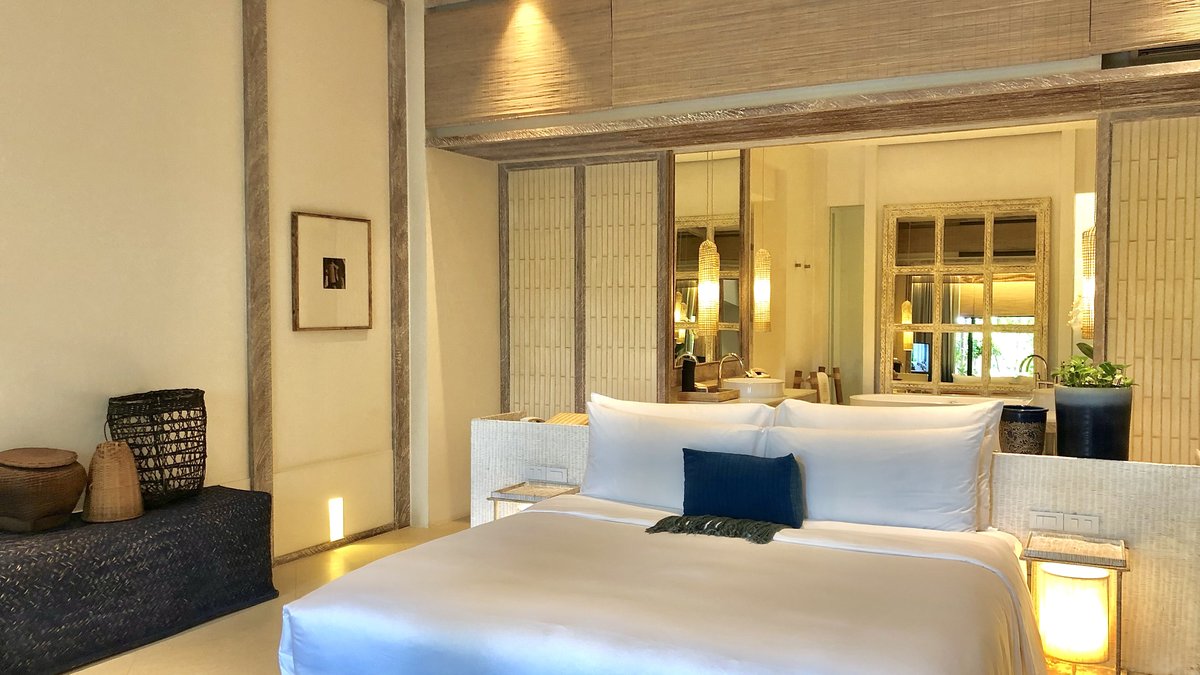
Standard western hotel rooms are dominated by modern drywall and modular cabinetry. In contrast, traditional Japanese Ryokan (旅館) and residential Minpaku (民泊) feature organic building materials, complex joinery, and minimalist alcoves that offer covert placement spots for micro-surveillance hardware:
| Concealment Vector | Common Japanese Fixture | Detection Methodology | Threat Level |
|---|---|---|---|
| Tokonoma Ornamental Alcove | Hanging scrolls (Kakemono), ikebana vases, wood carvings | Optical flashlight reflection sweep | High |
| Shoji & Fusuma Sliders | Lattice wood crossbeams, paper seams, track guides | Physical micro-aperture inspection | Moderate |
| Tatami Perimeter Trim | Gaps between woven rush mats and baseboard trim | Magnetic field density sweep (EMF) | Moderate |
| Emergency Wall Flashlights | Standard required emergency torches mounted on bedroom walls | Battery compartment and lens audit | Critical |
| AC Split-Unit Inverters | Wall-mounted Daikin/Panasonic mini-split units & louvers | Infrared 850nm lens glint scan | Critical |
| Onsen Changing Baskets | Woven wicker clothing baskets & shelf cubbies | Tactile inspection of basket weaves | Severe |
| Digital Clocks & Power Hubs | Multi-plug USB charging stations provided by rental hosts | Wi-Fi LAN scan & magnetic sensor test | High |
The 10-Minute Technical Room Sweep Protocol
Upon checking into your Japanese accommodation—before unpacking your luggage or undressing—conduct this structured three-phase sweep:
- Phase 1: Ambient Wi-Fi LAN Audit. Connect your phone to the accommodation's local guest Wi-Fi network. Launch Hidden Camera Detector App and initiate a Local Area Network scan. The app will probe the ARP cache and Bonjour services to enumerate IP cameras manufactured by brands like Tuya, Dahua, or Hikvision operating on the local subnet.
- Phase 2: Optical Retroreflection Sweep. Turn off all room lighting and draw the window blackout curtains. Using the app's specialized optical camera shader and your iPhone's LED flash, slowly sweep suspicious objects from a distance of 1 to 2 meters. When your light cone hits a concealed glass lens, the curved optic reflects back an unmistakable bright red or blue optical glint.
- Phase 3: Solid-State Magnetic EMF Forensics. Move your phone slowly over wall-mounted emergency flashlights, smoke alarms, power outlet hubs, and bedside electronics. The smartphone's calibrated magnetometer will spike above ambient background levels (30–50 µT) if unshielded camera microchips or transformers are present.
What to Do If You Spot a Camera in Japan
1. Do NOT touch or move the device (preserve fingerprint and DNA evidence).
2. Photograph and record video of the device in situ using your phone.
3. Immediately dial 110 (Japanese Police emergency dispatch). English-speaking translation operators are available 24/7.
4. Inform the hotel front desk or notify Airbnb/Agoda Trust & Safety.
Hotel & Airbnb Privacy Safety Score Assessment
Complete this interactive 5-point inspection checklist to evaluate your room's surveillance risk index.