
Most people approach their supplement routine with a 'swallow-it-all-at-once' mentality: a handful of 8 assorted capsules washed down with morning orange juice or a cup of coffee. Unfortunately, human gastrointestinal physiology does not operate like a bottomless sink.
Executive Summary & Research Finding
Vitamins you should never take together: divalent metal transporter competition, fat vs water solubility timing, and the ultimate nutrient synergy matrix.
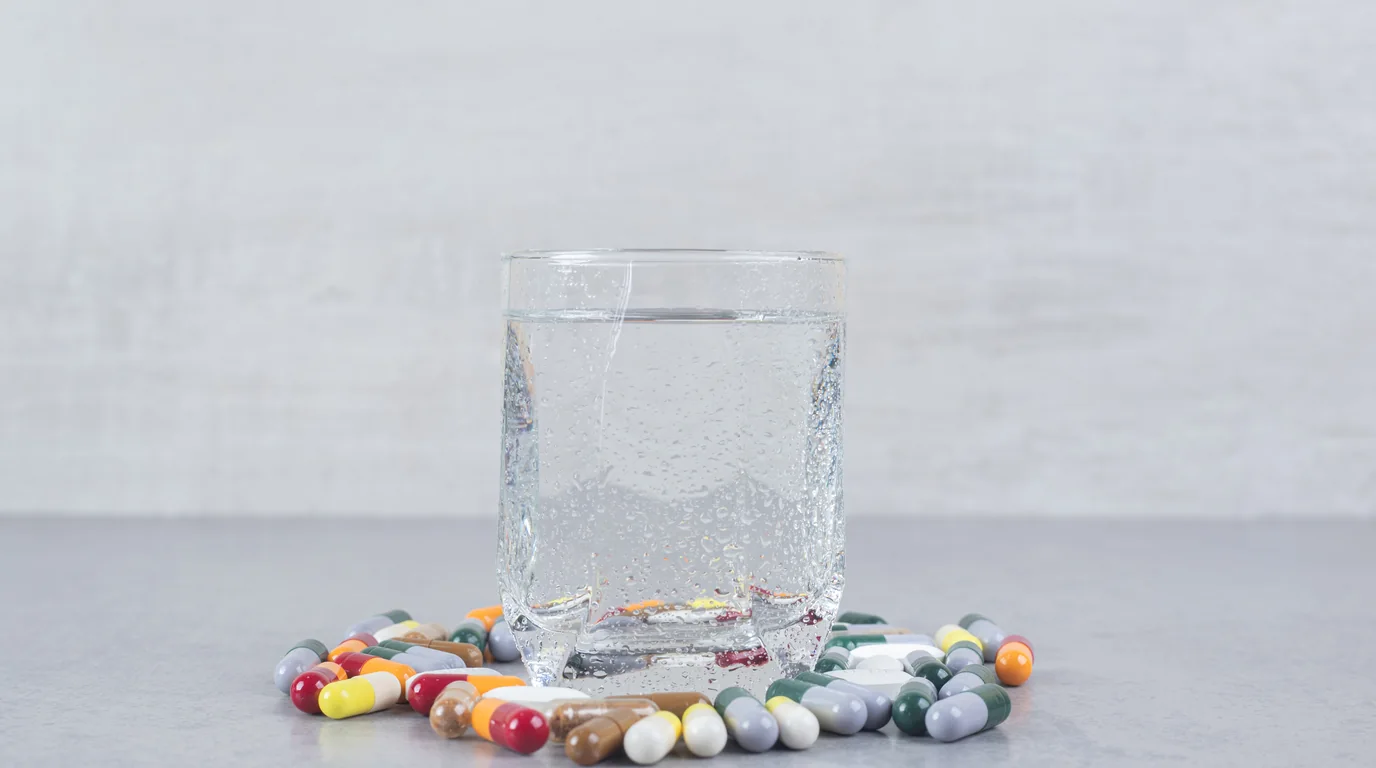
Inside the duodenum and jejunum, nutrients rely on a limited number of specialized transport proteins, brush-border enzymes, and bile acids to cross into the bloodstream. When competing molecules arrive simultaneously, they block each other out.
Automate Morning vs. Evening Schedules
Avoid absorption conflicts automatically. Organize your supplements into custom Morning, Afternoon, and Bedtime routines with SupSup: Vitamin & Supplement Tracker.
The DMT1 Transporter: Why Minerals Fight in the Gut
The most common absorption battle occurs between divalent cations (positively charged mineral ions with a 2+ valence). In the intestinal microvilli, minerals such as Iron (Fe2+), Calcium (Ca2+), Zinc (Zn2+), and Magnesium (Mg2+) all compete for uptake through the Divalent Metal Transporter 1 (DMT1) pathway.
If you ingest 500mg of calcium carbonate alongside a 25mg iron bisglycinate capsule, the sheer molar excess of calcium molecules physically saturates the DMT1 receptors. Iron absorption drops by up to 80%, rendering your iron supplement practically useless and contributing to gastrointestinal cramping.
| Conflicting Pair | Biological Mechanism of Conflict | Recommended Separation Time | Optimal Strategy |
|---|---|---|---|
| Calcium + Iron | Calcium binds DMT1 receptors and alters ferritin binding in enterocytes | Minimum 2 to 4 hours apart | Take Iron upon waking with Vitamin C; take Calcium at dinner or bedtime |
| Zinc + Copper | Zinc stimulates intestinal metallothionein, sequestering copper | Minimum 2 hours apart | Take Zinc at midday; take Copper with morning meal (or use balanced 15:1 ratio) |
| Vitamin C + Vitamin B12 | High-dose ascorbic acid (>500mg) can degrade B12 into inactive cobalamin analogs in gastric acid | Minimum 2 hours apart | Take B12 sublingually upon waking; take Vitamin C with lunch |
| Green Tea Extract (EGCG) + Iron | Polyphenols and tannins form insoluble chelates with non-heme iron | Minimum 2 hours apart | Drink green tea or take EGCG away from iron-rich meals or supplements |
| Magnesium + Calcium (High Dose) | Both compete for intestinal paracellular and transcellular pathways | Take separately or keep at 2:1 ratio | Take Calcium with food; take Magnesium Glycinate 1 hour before sleep |
The Proven Synergy Matrix: Nutrients That Enhance Each Other
While some combinations cancel out, other micronutrients exhibit profound biological synergy—where the presence of one compound dramatically enhances the bioavailability or enzymatic activation of another:
- Vitamin D3 + Vitamin K2 (MK-7) + Magnesium: Vitamin D3 stimulates calcium absorption from food. Vitamin K2 activates osteocalcin and matrix Gla protein (MGP), directing calcium into bones and teeth rather than arterial walls. Magnesium is the mandatory co-factor required by hepatic enzymes to convert cholecalciferol into active 1,25-dihydroxyvitamin D.
- Iron + Vitamin C (Ascorbic Acid): Vitamin C acts as a reducing agent, converting insoluble ferric iron (Fe3+) into soluble ferrous iron (Fe2+) while forming a chelate that protects iron from alkaline precipitation in the small intestine.
- Curcumin + Piperine (Black Pepper Extract): Raw curcumin has near-zero bioavailability due to rapid hepatic glucuronidation. Piperine inhibits intestinal UDP-glucuronosyltransferase, boosting systemic curcumin bioavailability by up to 2,000%.
- Fat-Soluble Vitamins (A, D, E, K) + Dietary Lipids: Fat-soluble vitamins require the formation of mixed micelles with bile salts for passive diffusion across the unstirred water layer. Swallowing Vitamin D on an empty stomach results in 40-50% lower serum absorption compared to taking it with an avocado or olive oil.
The Ideal 3-Part Daily Supplement Timeline
- Morning (Upon Waking / Light Breakfast): Water-soluble B-Complex, Vitamin D3 + K2 (with breakfast fat), CoQ10, and Morning adaptogens. If taking Iron, take on empty stomach with Vitamin C.
- Midday (Lunch): Fat-soluble antioxidants (Lutein, Lycopene, Astaxanthin), Zinc, Omega-3 Fish Oils (prevents fishy burps throughout the day).
- Evening (Dinner / 1 Hour Before Bed): Magnesium Glycinate or L-Threonate (activates GABA receptors for restorative slow-wave sleep), Calcium (calcium uptake is optimal at night and aids melatonin synthesis), Tart Cherry extract.
Master Your Daily Routine
Track when and how you take your vitamins with SupSup. Set morning, afternoon, and evening reminders that adapt to your lifestyle on Android.
Frequently Asked Questions
Does morning coffee ruin supplement absorption?
Yes. Tannins, chlorogenic acids, and caffeine in coffee inhibit iron absorption by up to 60-80% and accelerate urinary excretion of B-vitamins and calcium. Always wait 45 to 60 minutes after your morning coffee before taking supplements.
Can I take Omega-3 fish oil with a multivitamin?
Yes! Omega-3 fatty acids provide the lipid vehicle required to dissolve and absorb the fat-soluble vitamins (A, D, E, K) present in your multivitamin.
Why does Zinc cause nausea on an empty stomach?
Free zinc ions irritate the gastric mucosal lining and stimulate hydrochloric acid release. Always consume zinc containing meals or opt for gentle chelated forms like zinc bisglycinate or zinc carnosine.

