
Street interviews, public pranks, walking tours, and 'day in the life' city vlogs dominate modern social media feeds. Armed with a compact wireless microphone and an iPhone, aspiring creators roam bustling city squares, shopping districts, and college campuses engaging strangers in conversation or simply capturing urban ambiance. However, as public awareness of digital surveillance has intensified, the legal, financial, and physical risks confronting public video creators have skyrocketed.
Executive Summary & Research Finding
Street interviews and vlogging legal guide: blur bystander faces in public videos on iPhone. Master GDPR compliance, model releases, and AI editing with Blura.
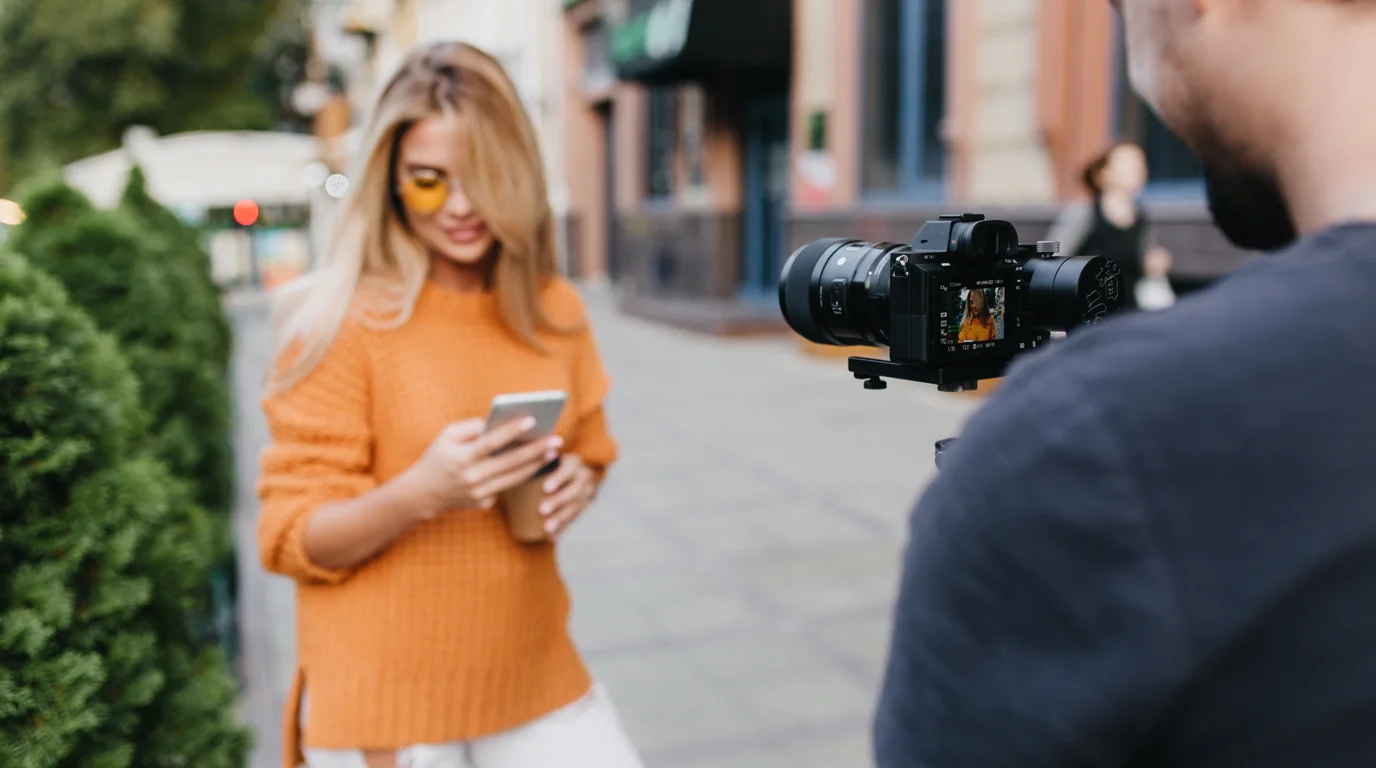
A frequent defense voiced by YouTubers and TikTokers is: 'I have a legal right to film in public.' While filming in public spaces is generally legal in common-law jurisdictions like the United States and United Kingdom, *publishing* and *monetizing* that footage is governed by an entirely different body of tort law. Publishing identifiable images of background pedestrians in sponsored videos, commercial ads, or sensationalist content without consent can trigger right-of-publicity claims, defamation lawsuits, and statutory privacy fines. With on-device video tools like Blura, vloggers can insulate their channels from legal jeopardy in seconds.
Editorial Documentation vs. Commercial Exploitation
Courts around the world draw a sharp distinction between legitimate editorial news gathering and commercial entertainment:
- Editorial & Newsworthy Use: If you are filming a genuine newsworthy event (a fire, a protest, or a press conference), First Amendment protections allow you to broadcast incidental public footage without signed releases.
- Commercial & Monetized Video: The moment a video includes paid brand integrations, ad revenue splits, or promotional sponsorships, courts view bystander appearances as uncompensated commercial exploitation under Right of Publicity statutes.
- False Light & Defamation: Filming a passerby while discussing sensitive topics ('10 Signs Someone is Cheating') can result in massive defamation verdicts if the viewer could reasonably associate the bystander with the topic.
- European Union & GDPR Strictness: Under GDPR Article 85, unless you are an accredited journalist operating under journalistic exemptions, filming pedestrians on European streets and publishing to monetized social channels requires explicit data subject consent.
Japan's Portrait Rights (Shouzouken)
In Japan, constitutional court precedents strictly protect every individual's right not to be photographed or filmed in public without permission. Posting unblurred faces of bystanders on Japanese streets routinely leads to civil damages and criminal complaints.
Global Public Filming Legal Comparison
| Country / Region | Filming in Public Legal? | Publishing Without Consent Legal? | Model Release Mandatory? | Bystander Redaction Rule |
|---|---|---|---|---|
| United States | YES (100% Legal) | YES for editorial, NO for commercial | Yes for sponsored content | Blur bystanders in sponsored/monetized videos |
| United Kingdom | YES (Legal) | YES, subject to harassment laws | Recommended for commercial | Blur non-consenting individuals if requested |
| European Union (Germany/France) | Restricted (Personality Rights) | NO (GDPR Violation) | Mandatory for all identifiable faces | Must blur all unconsenting bystanders |
| Japan | Legal with severe restrictions | NO (Violation of Shouzouken) | Mandatory for commercial & vlog use | Absolute requirement to pixelate all faces |
| United Arab Emirates | Strictly Regulated | STRICT CRIMINAL OFFENSE | Mandatory official permits | Severe fines & deportation for unconsented filming |
The Professional Vlogger Redaction Workflow
- Record your street interviews and outdoor vlog scenes on your iPhone.
- Open your video clips in Blura before importing to your main editor.
- Use Auto-Scan Faces to identify passing bystanders.
- Apply Cinematic Soft Blur. Blura's tracking maintains optical disguise as pedestrians walk through the frame without affecting the main interviewee.
- Export in full 4K resolution and publish to YouTube and TikTok completely free of legal liability.
Frequently Asked Questions
Do I need a model release if someone agreed to talk on my microphone?
An interviewee verbally answering your questions on camera creates implied consent for editorial publication. However, background pedestrians who walked behind your interviewee gave zero consent and must still be blurred.
Can a bystander force YouTube or TikTok to take down my video?
Yes. Both YouTube and TikTok have robust Privacy Complaint procedures. If a bystander submits a valid privacy complaint showing their face without consent, the platform will issue a strike and give you 48 hours to blur the video or face total removal.

