The pervasive myth that the human body can only absorb 30 grams of protein in a single sitting conflates gastrointestinal absorption with Muscle Protein Synthesis (MPS). The gastrointestinal tract will absorb virtually 100% of ingested amino acids regardless of meal size, slowing transit time down to several hours if necessary. However, for triggering the intracellular mTOR pathway and initiating maximal muscle protein synthesis, your body requires reaching the leucine threshold (approximately 2.7 to 3.5 grams of leucine), which typically corresponds to 35 to 50 grams of high-quality protein per meal.
Executive Summary & Research Finding
How much protein can your body absorb per meal? Science debunking the 30g myth, the leucine threshold, muscle protein synthesis, and fat loss protein pacing.
Protein Quality & Leucine Content: How Key Whole Foods Stack Up
Not all protein sources trigger anabolic signaling equally. Whole-food proteins with high biological value provide dense essential amino acids (EAAs) that maximize muscle preservation in a caloric deficit.
| Protein Source | Serving Size | Total Protein (g) | Leucine Yield (g) | Digestion Transit Speed | Satiety Index |
|---|---|---|---|---|---|
| Whey Isolate | 1 scoop (35g) | 30g | 3.3g | Rapid (8–10g/hour) | Moderate (short-acting fullness) |
| Chicken Breast (Cooked) | 150g (5.3 oz) | 46g | 3.8g | Medium (2.5–3 hours) | High |
| Liquid Egg Whites | 1 cup (240g) | 26g | 2.2g | Rapid-Medium (2 hours) | Moderate-High |
| Wild Salmon | 170g (6 oz) | 40g | 3.2g | Slow (lipid-buffered digestion) | Very High (omega-3 satiety) |
| Greek Yogurt (0% Fat) | 200g (7 oz) | 20g | 1.9g | Slow (micellar casein clot) | Extremely High |
| Tofu (Extra Firm) | 200g (7 oz) | 24g | 1.8g | Medium-Slow | Moderate |
Step-by-Step: The 4-Meal Protein Pacing Protocol for Fat Loss
- Calculate daily baseline: Target 1.6 to 2.2 grams of protein per kilogram of body weight (0.8–1.0g per pound) to preserve lean tissue during cutting.
- Divide into 3 to 4 boluses: Stagger your total protein across meals spaced 3 to 5 hours apart to respect the 'muscle-full' refractory window.
- Frontload breakfast / Meal 1: Break your overnight fast with at least 35-40g of protein to halt nocturnal muscle catabolism.
- Hit the 3-gram leucine trigger at dinner: Combine whole food proteins (beef, fish, or poultry) with fibrous vegetables to sustain slow nocturnal amino acid release.
- Leverage the Thermic Effect of Food (TEF): Understand that 20–30% of all protein calories are burned off purely through digestion and peptide synthesis.
The Thermic Effect of Food (TEF) Advantage
Protein is the most metabolically expensive macronutrient to digest. For every 100 calories of protein consumed, your metabolic furnace expends 20 to 30 calories simply cleaving peptide bonds into free amino acids. In contrast, dietary fats burn only 0–3% and carbohydrates burn 5–10%. Increasing your protein ratio directly boosts daily calorie burn without extra cardio.
What Happens to 'Excess' Protein If You Eat 80g in One Sitting?
If you eat an 80-gram steak, your small intestine does not excrete the extra amino acids into the toilet. Digestion slows, amino acids enter the systemic pool over 5–7 hours, and the excess is channeled into gut barrier repair, enzyme production, immune globulins, and hepatic deamination (producing urea and glucose via gluconeogenesis). While MPS plateaus after 40-50g, full-body whole-tissue protein synthesis and muscle breakdown suppression continue to rise.
How Does Calorie Counter App Make Protein Pacing Effortless?
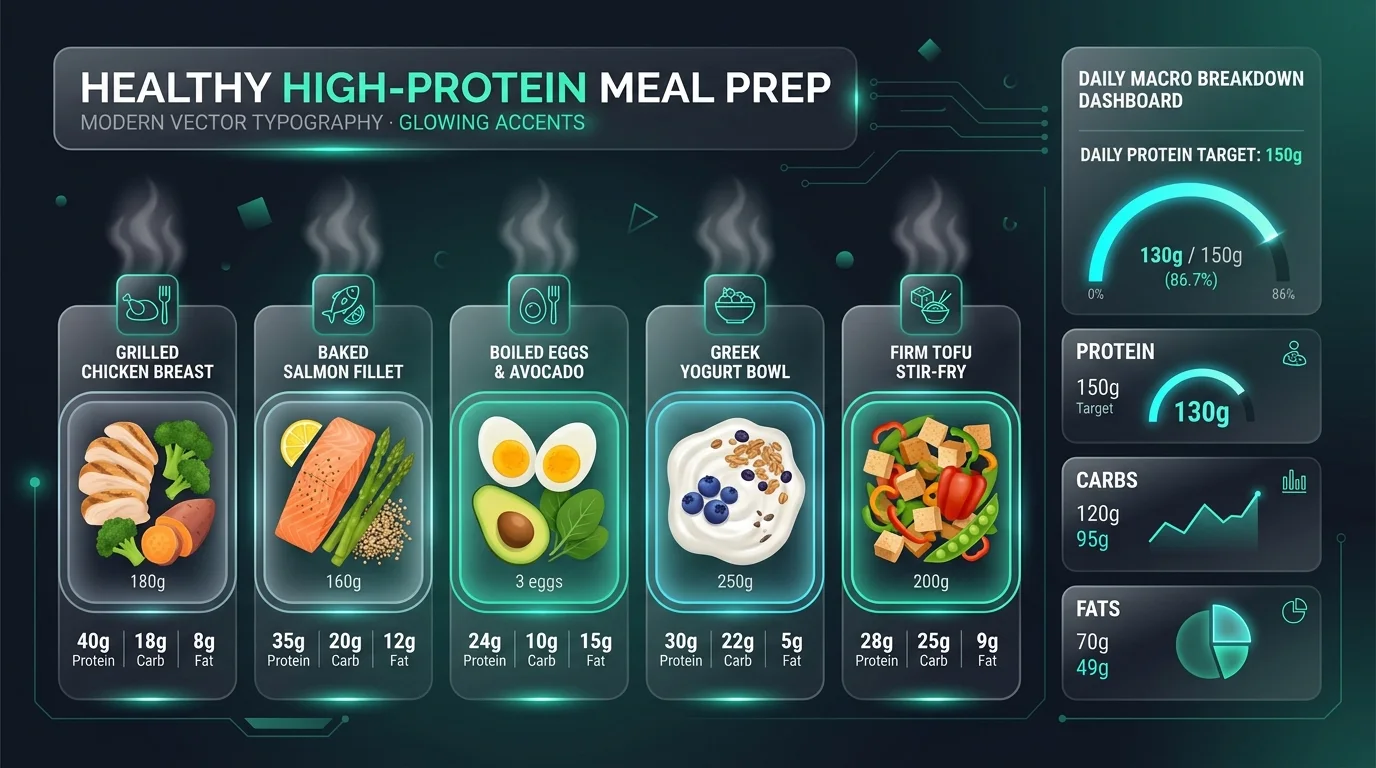
Calculating amino acid totals and hitting 150g+ of daily protein while staying inside a strict caloric deficit requires accurate macro tracking. Calorie Counter & Meal Tracker provides instant barcode scanning, verified PFC (Protein-Fat-Carb) ratios, and meal-by-meal distribution graphs. With automated daily goals and visual macro rings, you can verify at a glance that every meal crosses the anabolic threshold.