
It is one of the most maddening daily frustrations: you take out your AirPods while parking, fumble the slippery white stem, and hear it bounce into the dark abyss beneath the driver's seat. Searching blindly with your hand usually pushes the earbud deeper into mechanical seat tracks, under carpet cutouts, or into seat-belt buckle crevices where fingers cannot reach.
Executive Summary & Research Finding
How to find lost AirPods inside your car: retrieve earbuds wedged between seat rails, under floor mats, or inside center console cracks with Bluetooth radar.
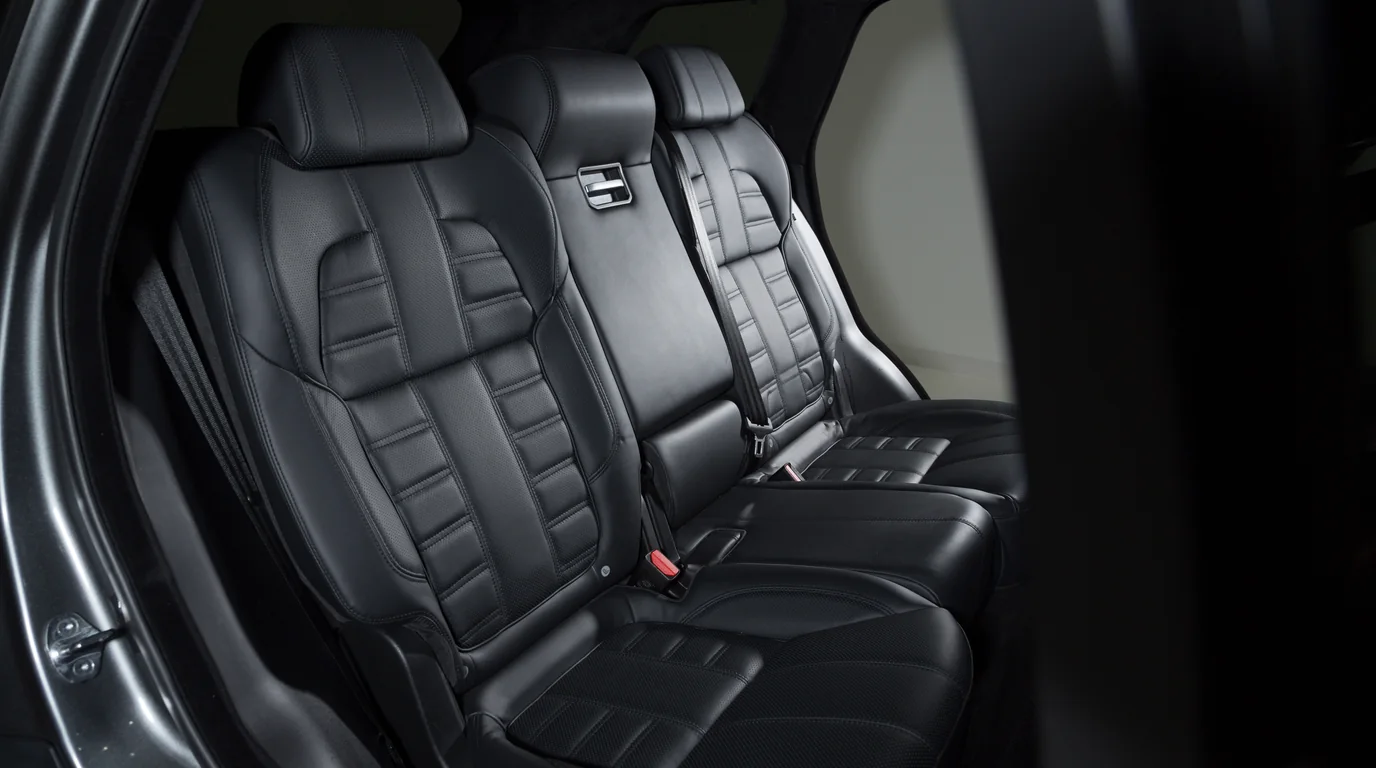
Because car cabins are constructed with steel floorboards, heavy seat frames, and dense wiring harnesses, Apple's native Find My map only tells you what you already know: your AirPods are 'somewhere in the car.' To pinpoint the exact crack without dismantling the seats, you need to exploit Bluetooth Low Energy (BLE) Received Signal Strength Indicator (RSSI) proximity radar.
Immediate Search Action
Turn off your car's engine and infotainment Bluetooth to eliminate wireless background clutter. Launch Sweep: Find My Device to activate the high-precision decibel radar.
Why Cars Distort Standard Bluetooth Signals
Automobile cabins are electromagnetic echo chambers. Bluetooth operates on the 2.4 GHz ISM band. When radio waves hit metal seat frames, battery compartments, and tinted glass, they reflect and scatter in a phenomenon known as multipath interference. A signal may appear stronger on the passenger side even when the earbud is lodged beneath the driver's seat track.
The 4-Step In-Vehicle Retrieval Protocol
| Step | Action Required | Technical Goal |
|---|---|---|
| 1. Eliminate Car Interference | Turn car ignition completely off; turn off vehicle Bluetooth | Stops dashboard head-unit from broadcasting competing 2.4 GHz packets |
| 2. Calibrate Baseline RSSI | Hold phone in center of cabin at headrest height | Establishes baseline ambient signal level (typically -75 to -85 dBm) |
| 3. Quadrant Footwell Sweep | Slowly lower phone into driver footwell, then passenger footwell | Identify which vehicle quadrant triggers signal jump to > -60 dBm |
| 4. Seat Track Crevice Probe | Slide smartphone flashlight along seat sliding rail | Direct visual confirmation of white acoustic mesh or stem reflection |
Top 5 Places AirPods Disappear Inside Vehicles
- The Seat Rail Trough: The greased U-channel steel bracket where the motorized seat slides forward and backward. Earbuds slide here and get pinched by moving gears.
- Center Console Side Gaps: The narrow 1-inch void between the leather seat cushion and plastic center transmission tunnel.
- Rear Air Conditioning Under-Seat Vents: Many modern SUVs and sedans feature plastic floor AC vents pointing toward rear passengers. An earbud can slide directly inside the vent pipe.
- Under the Floor Mat Edge: Slipping underneath rubber all-weather floor mats through the pedal cutout holes.
- Seat-Belt Buckle Boot: The fabric or plastic accordion sleeve surrounding the seatbelt receiver.
What to Do If the AirPod Battery Is Dying
AirPods broadcast BLE beacons even when idle, but their tiny 40 mAh internal batteries deplete within 24 to 36 hours outside the charging case. If your signal reading drops below -92 dBm, act quickly before the transmitter shuts down completely and leaves the earbud invisible.
Frequently Asked Questions
Can I play sound on an AirPod lost inside my car?
Yes, provided the AirPod is out of the case and within Bluetooth range of your phone. However, if the earbud is muffled under dense automotive carpeting or wedged deep in a seat gap, the tiny speaker sound is often inaudible, making the visual RSSI radar essential.
Will adjusting motorized power seats crush a lost AirPod?
Yes! Never move electric power seats forward or backward until you have visually verified that the AirPod is not jammed inside the worm gear or scissor mechanism of the seat rail.
Bluetooth RSSI Signal & Distance Triangulation Simulator
Estimate physical distance to lost AirPods or Bluetooth beacons using the Log-Distance Path Loss equation.