When you step into a medical examination room, physical vulnerability is unavoidable. Patients disrobe, share sensitive biological histories, and submit to physical examinations under an expectation of ironclad confidentiality. Yet cases involving rogue medical personnel, predatory practitioners, or unauthorized surveillance devices in clinics have raised urgent questions: Are cameras ever legally allowed inside doctor examination rooms?
Executive Summary & Research Finding
Are cameras allowed in doctor examination rooms? Learn patient privacy rights under HIPAA, telehealth recording rules, and how to detect covert cameras in medical clinics.
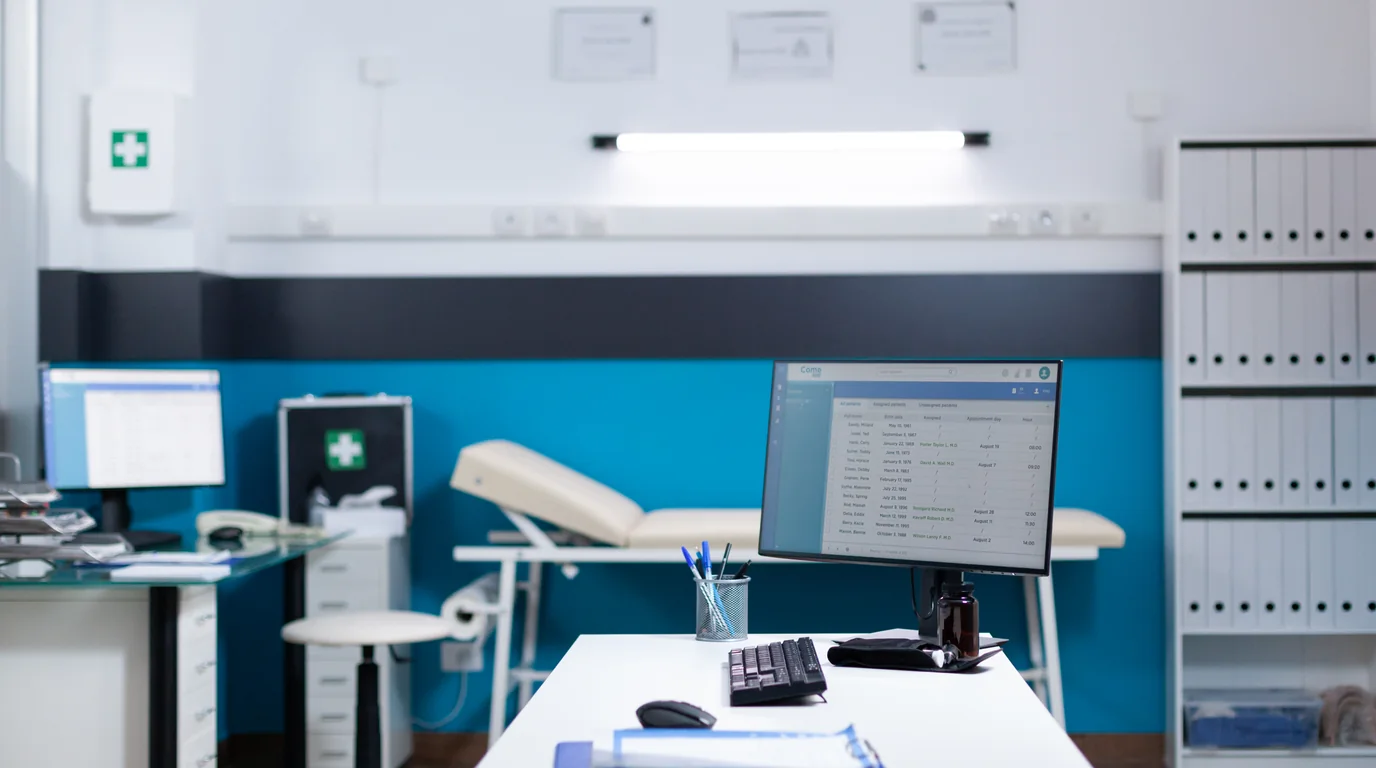
The definitive legal answer under the Health Insurance Portability and Accountability Act (HIPAA), state medical board codes of ethics, and criminal statutes is clear: Covert or hidden cameras in patient examination rooms are strictly illegal.
Patient Rights Summary
A healthcare provider cannot record you during a clinical exam without explicit, documented written consent. If you spot an unannounced lens or suspicious electronic device in an examination cubicle, verify it immediately.
HIPAA, Medical Ethics & Patient Consent Standards
Under HIPAA Privacy and Security Rules, visual imagery that reveals patient identity alongside physical health conditions constitutes Protected Health Information (PHI). More critically, state criminal voyeurism laws protect areas where a person has an objectively reasonable expectation of privacy while undressed:
- Legitimate Telehealth & Teaching Cameras: Large academic hospitals may use cameras for remote specialist consultations or medical student instruction. However, these systems are always clearly visible, prominently disclosed, and require signed consent forms prior to the examination.
- Security Cameras in Public Clinic Areas: Hospitals routinely mount CCTV in exterior hallways, waiting rooms, pharmacy pick-up counters, and emergency room reception desks to protect staff and monitor entryways. These cameras are never permitted past examination room doors.
- Covert Surveillance Is a Felony: A doctor, nurse, or clinic worker who places a hidden camera in a changing curtain area, restroom, or examination table violates criminal voyeurism laws, medical licensing standards, and federal wiretap statutes.
Suspicious Objects in Examination Rooms
| Suspicious Item | Common Placement | How to Verify |
|---|---|---|
| Wall Clocks Facing Table | Mounted directly across from the examination bed | Examine clock face for pinholes between numerals 10 and 2 |
| Tissue Box / Pen Holders | Placed on doctor's writing desk pointing at exam table | Look for unbranded plastic or unusual wiring |
| Coat Hooks Behind Curtains | In the small patient disrobing alcove | Check for optical glint above hook pegs |
| Overhead Light Housings | Articulated surgical/examination lamp arms | Run magnetometer scan along swivel arm |
What to Do If You Suspect Illicit Surveillance in a Clinic
- Do Not Undress: If you spot a suspicious device or feel uncomfortable, keep your clothes on and exit the examination room.
- Document Discreetly: Photograph the device, its angle, and its position relative to the patient examination table.
- Demand to Speak with the Medical Director & Privacy Officer: Every licensed healthcare clinic is required by federal law to maintain a designated HIPAA Privacy Officer.
- Report to State Medical Board & Police: If a covert camera is verified, criminal charges and immediate license revocation will follow.
Frequently Asked Questions
Can a clinic claim cameras are needed for staff safety?
No. While staff safety justifies cameras in public waiting rooms and emergency hallways, courts have repeatedly ruled that staff safety cannot override patient bodily privacy in closed examination rooms where disrobing occurs.
Can patients record their own doctor visits?
Patients often wish to record complex medical advice. In one-party consent states, audio recording your own consultation is legally permissible, though many medical practices have internal policies requesting notice before recording.
Hotel & Airbnb Privacy Safety Score Assessment
Complete this interactive 5-point inspection checklist to evaluate your room's surveillance risk index.