
The smartphone has democratized investigative reporting and citizen journalism. From documenting spontaneous municipal protests to capturing breaking news events before legacy media arrives on the scene, mobile video provides crucial public accountability. However, the rapid proliferation of automated facial recognition surveillance, state-level biometric scraping, and online retaliatory doxxing has dramatically raised the stakes for anyone captured on camera. When raw, unredacted protest footage is broadcast to social media, peaceful attendees, medical volunteers, and innocent bystanders can face targeted harassment, job loss, or unlawful state surveillance.
Executive Summary & Research Finding
Citizen journalism privacy guide: blur faces and distinctive tattoos in protest videos on iPhone. Learn digital rights protections and on-device tools with Blura.
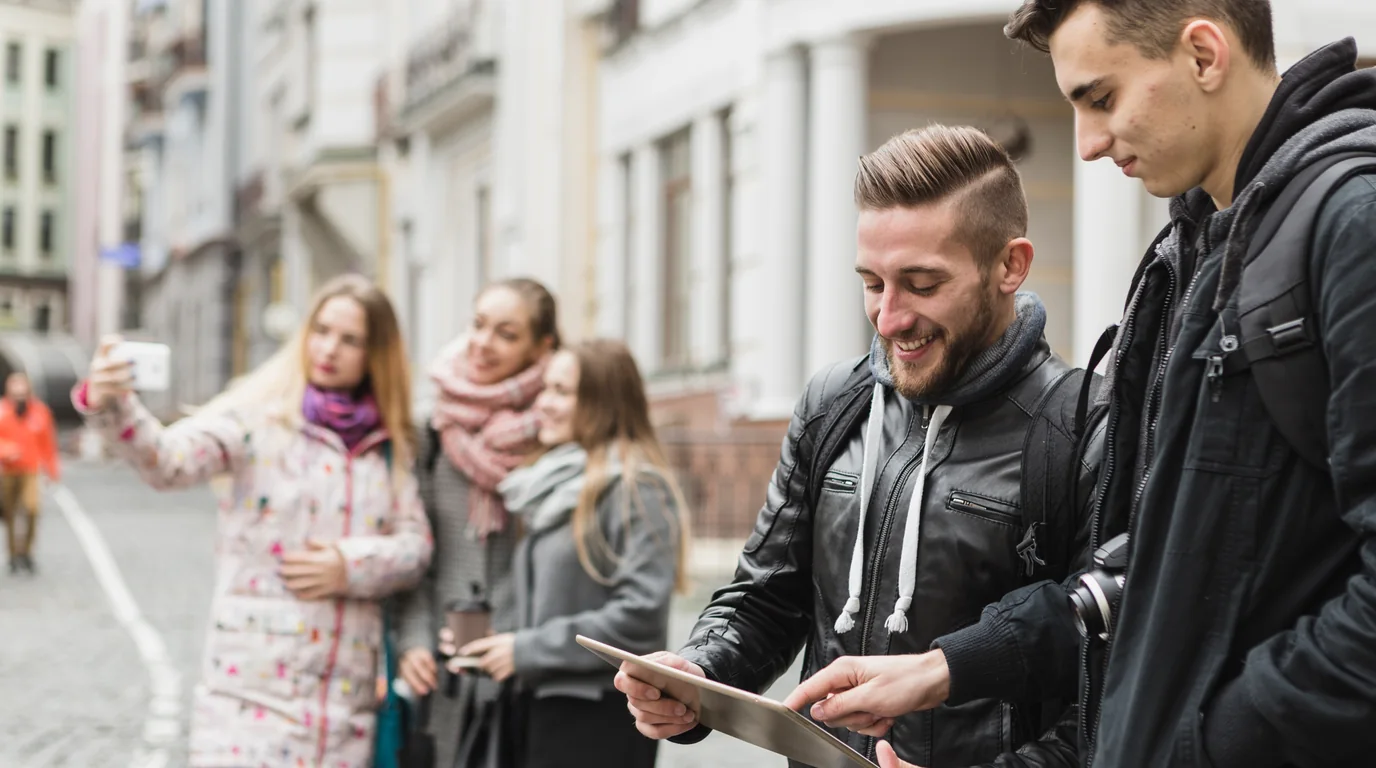
Prominent human rights organizations—including Amnesty International, the Electronic Frontier Foundation (EFF), and WITNESS—strongly urge independent journalists and civilian observers to practice 'defensive documentation': obscuring facial features, distinctive clothing logos, and unique tattoos before publishing footage online. Because cellular connectivity is often degraded or intentionally throttled during large public gatherings, relying on cloud-based video editing platforms is impractical. Using an on-device, offline-capable application like Blura guarantees that your reporting remains both rapid and ethically sound.
What Digital Investigators Look for in Public Footage
- Facial Biometrics & Saccadic Eye Movements: Neural networks can match partial side profiles against government DMV records or social media profile pictures in seconds.
- Distinctive Tattoos & Piercings: Unique ink patterns on forearms, necks, or calves are treated as high-confidence biometric identifiers in criminal databases.
- Custom Footwear & Apparel: Limited-edition sneakers, localized sports jerseys, and patched denim jackets are routinely used by forensic investigators to trace a single individual across multiple angles.
- Reflective Name Badges & Volunteer Lanyards: First-aid volunteers, legal observers, and student press often wear identification cards that can be zoomed in on and enhanced.
WITNESS Organization Best Practices
Always consider whether publishing a person's unmasked face puts them at risk of physical violence, state reprisal, or social discrimination. If consent cannot be obtained, redaction is the primary ethical duty of the recorder.
Citizen Journalist Privacy Checklist
| Visible Element | Target Risk | Urgency | Recommended Blura Tool |
|---|---|---|---|
| Demonstrator Faces | Automated biometric scraping | Critical | Multi-Face Dynamic Tracking / Soft Blur |
| Unique Tattoos & Scars | Definitive physical identification | Critical | Freeform Censor Region / Solid Color |
| Legal Observer & Medic Badges | Doxxing and organizational targeting | High | Rectangular Blackout Box |
| Incidental Street Pedestrians | Unintended collateral exposure | High | One-Tap Auto-Scan All Faces |
| Device EXIF Location Tags | Police geofence warrant correlation | Critical | Toggle Strip Metadata ON |
Rapid Field Redaction Workflow with Blura
- Record your footage in 1080p or 4K using the native iOS Camera app.
- Launch Blura completely offline in Airplane Mode.
- Tap Auto-Scan to immediately lock onto all human faces in the scene.
- Use the Freeform Draw tool to draw a protective blur or solid blackout over any exposed tattoos, wristbands, or nametags.
- Enable Strip Metadata to ensure no GPS timestamps can link your file back to the gathering, then export to your Camera Roll for immediate publication.
Frequently Asked Questions
Does blurring protest footage violate journalistic authenticity standards?
No. Leading international photojournalism outlets, including Reuters, the Associated Press, and The Washington Post, recognize that protecting vulnerable civilian sources from state retaliation is an ethical imperative that takes precedence over raw, unmasked imagery.
Can law enforcement subpoena unedited original files from Blura?
Blura operates 100% on-device and possesses zero cloud servers, user accounts, or tracking telemetry. We cannot be compelled to surrender footage because we never possess, store, or transmit your media.

