
Hitting a weight loss plateau during 16:8 intermittent fasting is not a failure of willpower; it is an evolutionary survival mechanism known as adaptive thermogenesis. When the human body experiences sustained caloric restriction, the thyroid axis (T4 to T3 conversion) and leptin signaling down-regulate basal metabolic rate (BMR), while spontaneous physical movement (NEAT) unconsciously declines. Furthermore, elevated chronic cortisol can cause temporary extracellular fluid retention that masks true subcutaneous fat loss for weeks.
Executive Summary & Research Finding
Why 16:8 fasting weight loss stops: adaptive thermogenesis, unconscious calorie compensation, NEAT drops, and 5 science-backed steps to break the plateau.
The 5 Biological Mechanisms Halting Fat Loss During 16:8 Fasting
Overcoming stalled progress requires pinpointing the exact neuro-endocrine adaptations your body has engaged to conserve adipose energy reserves.
| Plateau Mechanism | Physiological Cause | Biomarker Effect | Symptoms | Breakthrough Action |
|---|---|---|---|---|
| Adaptive Thermogenesis | Prolonged deficit triggers metabolic slowdown | T3 thyroid drop, leptin depletion | Cold hands/feet, lethargy, sluggish recovery | Implement a 48-hour isocaloric refeed at maintenance |
| NEAT Collapse | Unconscious reduction in spontaneous daily movement | Daily energy expenditure drops by 300–500 kcal | Sitting longer, fidgeting less, taking elevators | Track daily steps (maintain 8,000–10,000 steps minimum) |
| Calorie Compensation Window | Compressing meals leads to calorie-dense overeating | Insulin spikes remain elevated for hours post-meal | Fullness feels delayed; grazing until the 8-hour cutoff | Weigh foods and log macros precisely inside the window |
| Cortisol Water Retention | High fasting stress combined with intense cardio | Elevated aldosterone and antidiuretic hormone (ADH) | Soft 'squishy' abdominal fat texture, stubborn scale weight | Deload exercise, improve sleep, increase dietary electrolytes |
| Circadian Eating Desynchrony | Ending the 8-hour window late at night (e.g. 9:00 PM) | Impaired beta-cell melatonin receptor activation | Elevated nocturnal glucose and suppressed nocturnal lipolysis | Shift eating window earlier: 10:00 AM to 6:00 PM (eTRF) |
Step-by-Step: How to Shock Your Metabolism and Break the Plateau
- Audit 'fast-breakers': Check black coffee and tea for hidden creamers, collagen peptides, MCT oils, or sweetened BCAA powders that stimulate liver glycolysis.
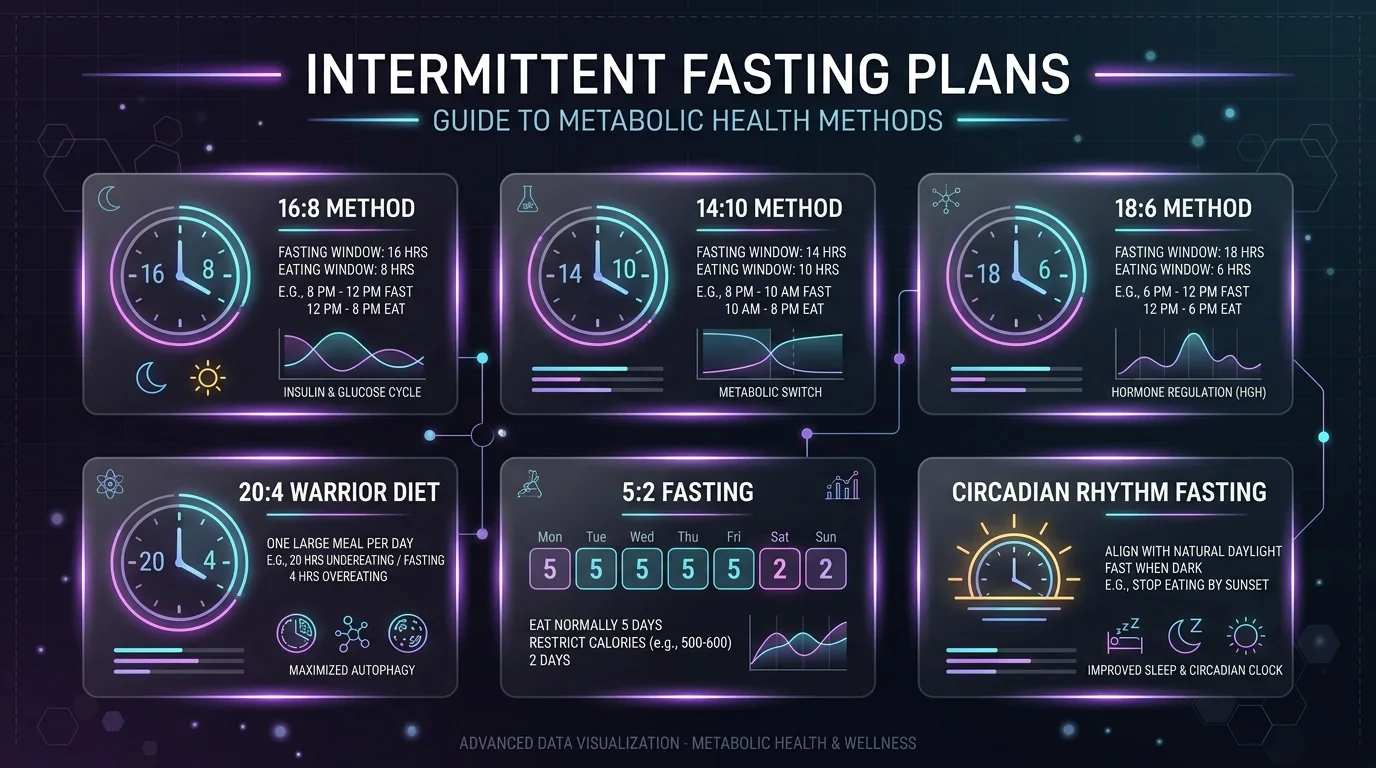
- Transition from 16:8 to a staggered schedule: Alternate between 16:8 on training days and 18:6 or 20:4 on rest days to prevent homeostatic metabolic adaptation.
- Shift your eating window 2 hours earlier: Close your feeding window before 7:00 PM to align nutrient processing with circadian insulin sensitivity.
- Prioritize protein pacing: Ensure your opening meal contains at least 35-40g of lean protein to leverage the thermic effect of food (TEF) and sustain satiety.
- Perform a 3-day full diet break: Eat at your maintenance calories for 72 hours with elevated complex carbohydrates to restore leptin and thyroid hormone production.
The 'Whoosh Effect' in Adipose Tissue
When adipocytes (fat cells) empty their triglyceride stores during sustained lipolysis, they frequently absorb intracellular water as temporary ballast. For several weeks, you may lose fat without the scale moving a single gram. Once cortisol normalizes, the cells abruptly purge the stored water, resulting in a sudden 2-to-4-pound drop overnight. Don't quit during the water retention phase.
Why Does Shifting to 18:6 or Circadian Fasting Accelerate Results?
While 16:8 is fantastic for beginners, the body eventually adapts to an 8-hour feeding window. Moving to an 18:6 protocol extends the catabolic post-absorptive phase into deep ketone production (beta-hydroxybutyrate), accelerating cellular autophagy and hepatic glycogen depletion. Eating your final meal before sunset further prevents melatonin from competing with insulin receptors, optimizing nighttime fat oxidation.
How Does Simple Intermittent Fasting Tracker Help You Succeed?
When you're trying to outmaneuver an adaptive plateau, guessing your fasting hours is a recipe for stagnation. Simple Fasting Tracker lets you switch between 16:8, 18:6, 20:4, and circadian protocols with a single tap. Its real-time metabolic stage indicators show you exactly when your body enters ketosis and autophagy, providing daily motivation and lock screen widgets without subscription paywalls.
Fasting & Autophagy Timeline Calculator
Input the time you finished your last meal to see exact cellular milestones and peak autophagy hours for your schedule.
Daily Water Intake & Electrolyte Fluid Calculator
Calculate optimal daily hydration volume tailored to your body weight, workout expenditure, and fasting state.